My Ireland


Oops, no internet connection
While offline, you can still add items to ‘My Board’. New travel reccomendations will only show up once you’re back online.
Items without a physical location are not shown in map view.
Looks like your board is empty



Location access
- View offers and deals nearby you
- Get travel inspiration based on your location
- Local weather warnings and useful travel information








Travel times
Tell us when you are going to be travelling Ireland, and we will show you tailored recommendations for the duration of your trip.


- Tips for events happening during your stay
- Helpful travel reminders and updates
Privacy
We take your privacy very serious and only ever process your data with your persmission. If possible this is handled anonymously and we will never store your data for longer than is required. For more information on how we handle your personal data please read our Privacy Policy.
Remove Data
To securely remove all data associated with your profile please contact our Data Protection Officer.
Reset your Board
This will remove all the items you have previously liked from your board. Please note, you can’t undo this action.
Location access
- View offers and deals nearby you
- Get travel inspiration based on your location
- Local weather warnings and useful travel information
Travel times
Tell us when you are going to be travelling Ireland, and we will show you tailored recommendations for the duration of your trip.
- Tips for events happening during your stay
- Helpful travel reminders and updates
Reset your Board
This will remove all the items you have previously liked from your board. Please note, you can’t undo this action.
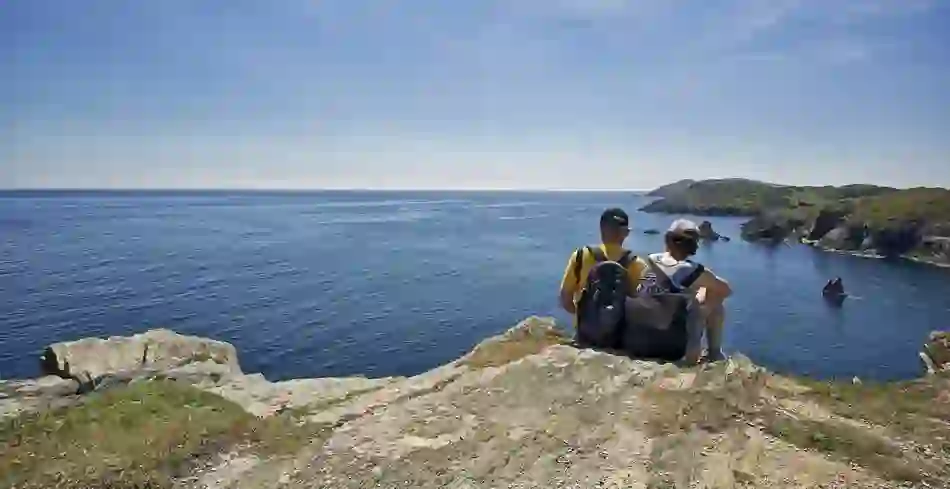


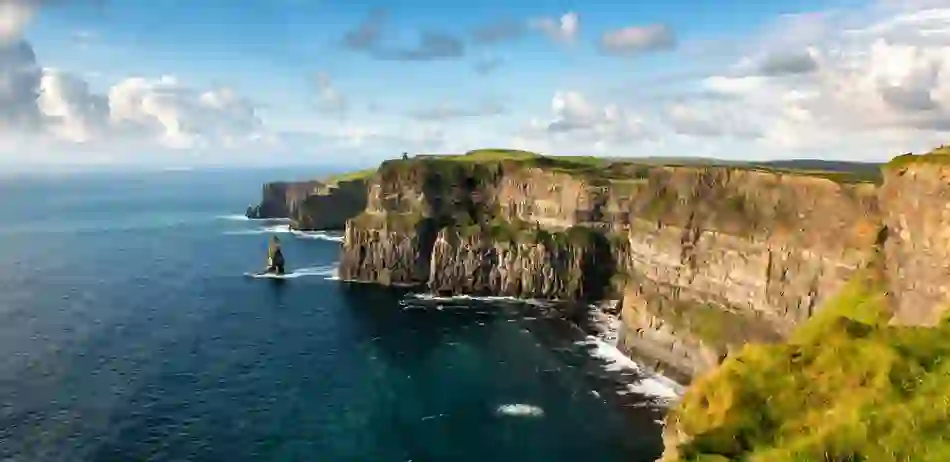
Your ultimate Ireland guide
From passports to public transport, if you've got questions, we've got the answers

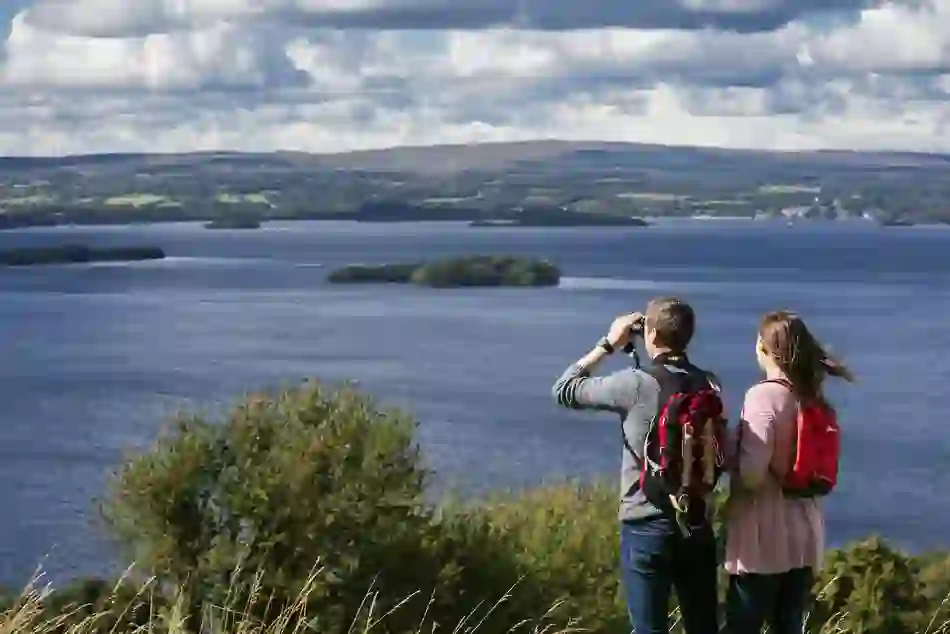

Lough Derg, County Tipperary
Ireland travel checklist
Thinking of coming to Ireland? With our need-to-know information and useful tips, we've got you covered.
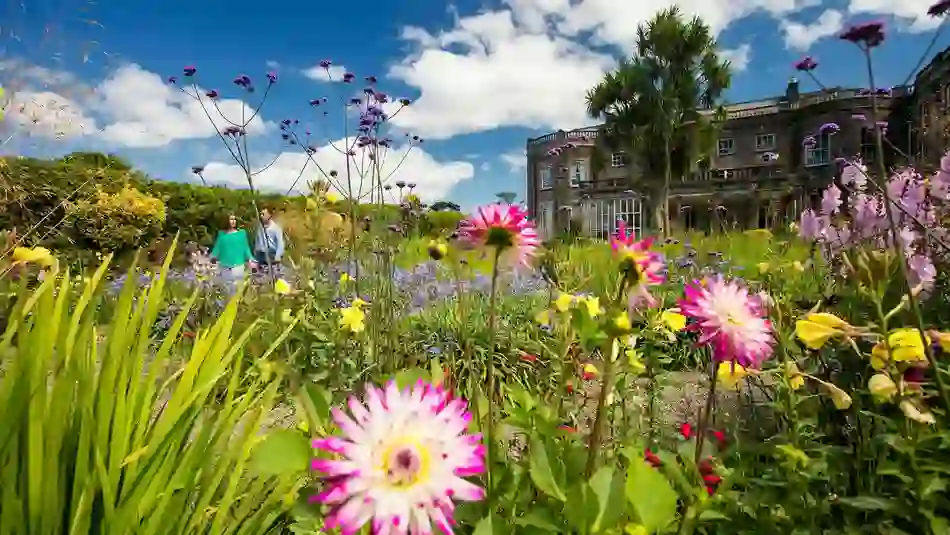

Bantry House, County Cork
Ireland's weather
Seasons, climate, what to pack and how to make the most of our gloriously unpredictable weather.
Enjoy warm summers and mild winters
Expect four seasons in one day
Discover activities for all seasons
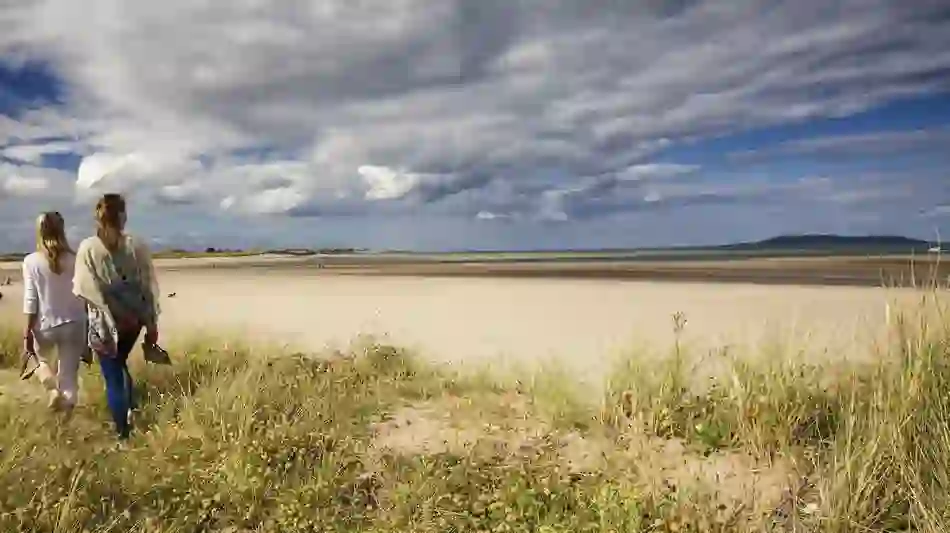

Travel
Visas and passports
Ireland’s visa and passport requirements vary for different nationalities so check with your local Irish embassy or consulate before you travel
Customs and borders
From customs and border regulations on the island of Ireland to duty-free allowances and how to claim VAT (sales tax) refunds
Bringing your pet to Ireland
The importation of pets into Ireland is strictly controlled to ensure diseases such as rabies are kept off of the island
When you're in Ireland
Accessibility
Ireland is delighted to welcome visitors with special needs and reduced mobility, and services and amenities are always improving
Making calls in Ireland
All you need to know about using phones while you're in Ireland. Don't worry – your cell phone will still work here!
Public holidays in Ireland 2024
Public holidays on the island of Ireland mean big celebrations, and some just offer a good excuse to chill out. Here's what you need to know.
Public transport
Hop on a bus, coach, train or ferry and take the time to enjoy the sights and sounds of Ireland
Ireland's counties and provinces
The island of Ireland is made up of four provinces and 32 counties, and they all have their own unique charms and traditions
Emergency
Emergency contacts
Make a note of the numbers and official organizations to contact in case of emergency in Ireland
Health information
Here's what you need to know about medical insurance, hospitals and pharmacies.
Thinking of coming to Ireland?
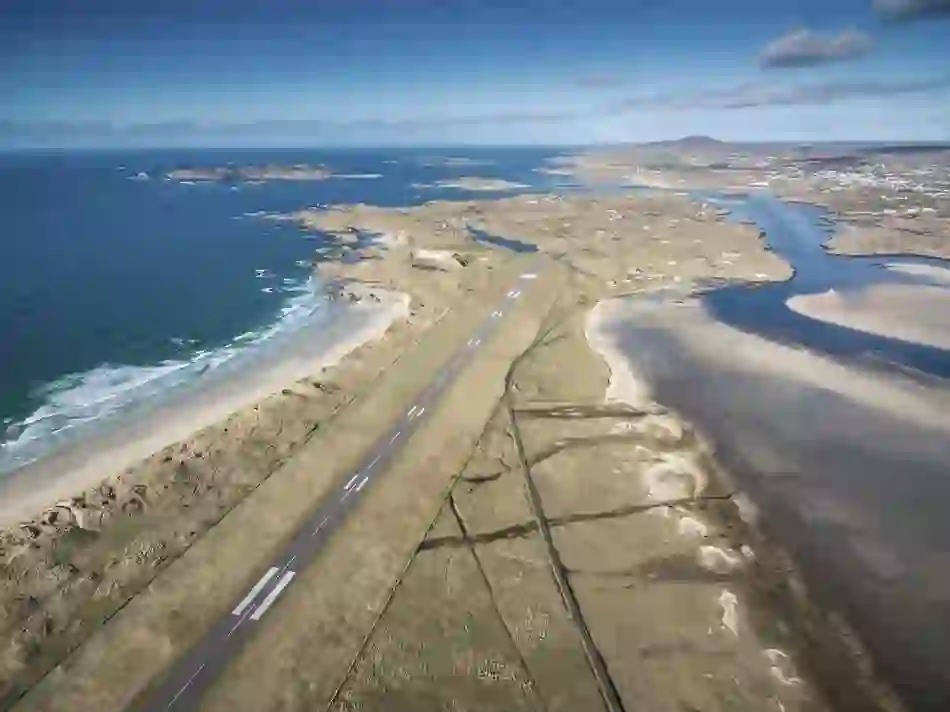
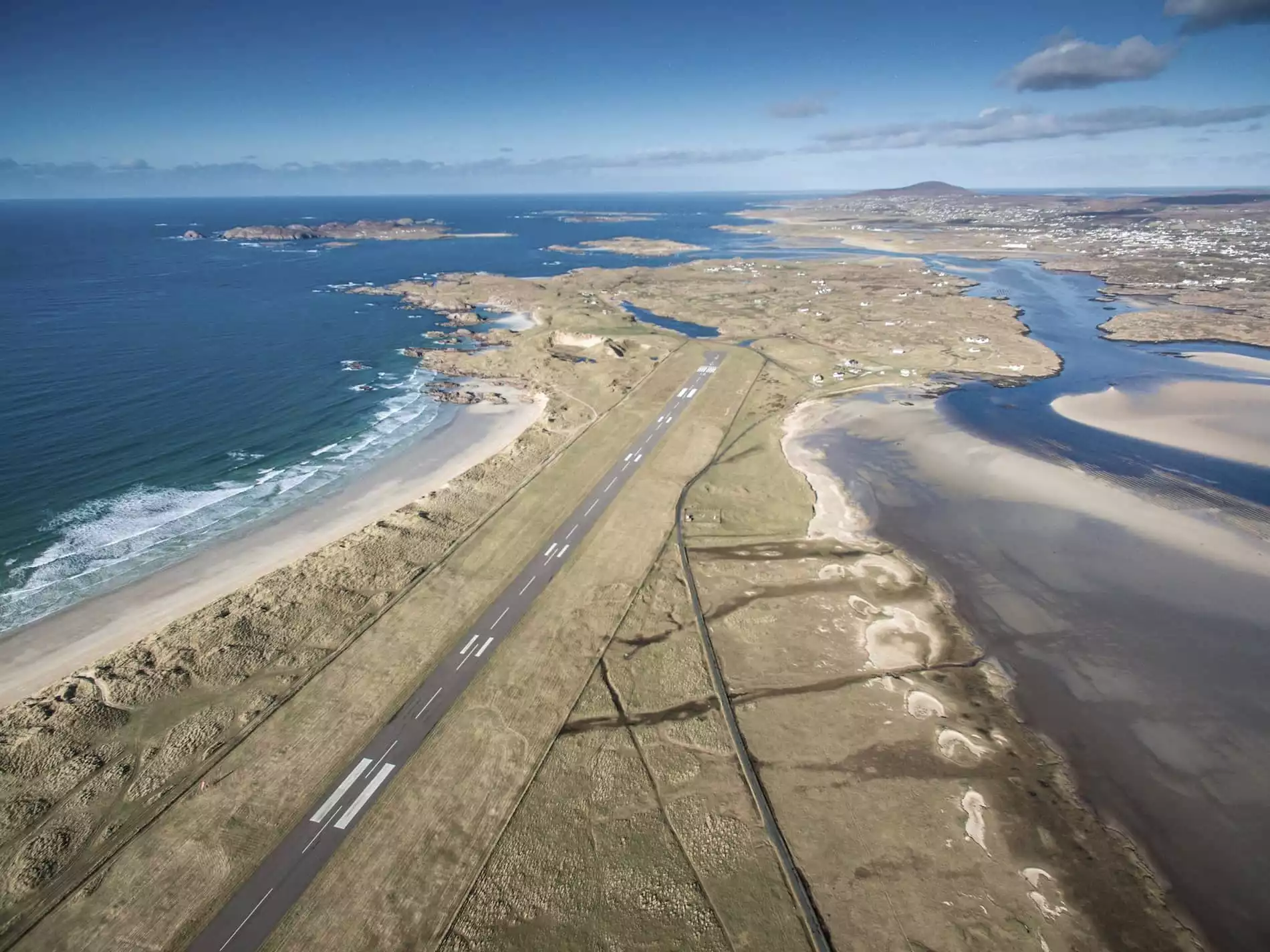
Getting here
Ireland from the air – what's not to love? We can help you find the perfect flight or ferry route for your Ireland trip.
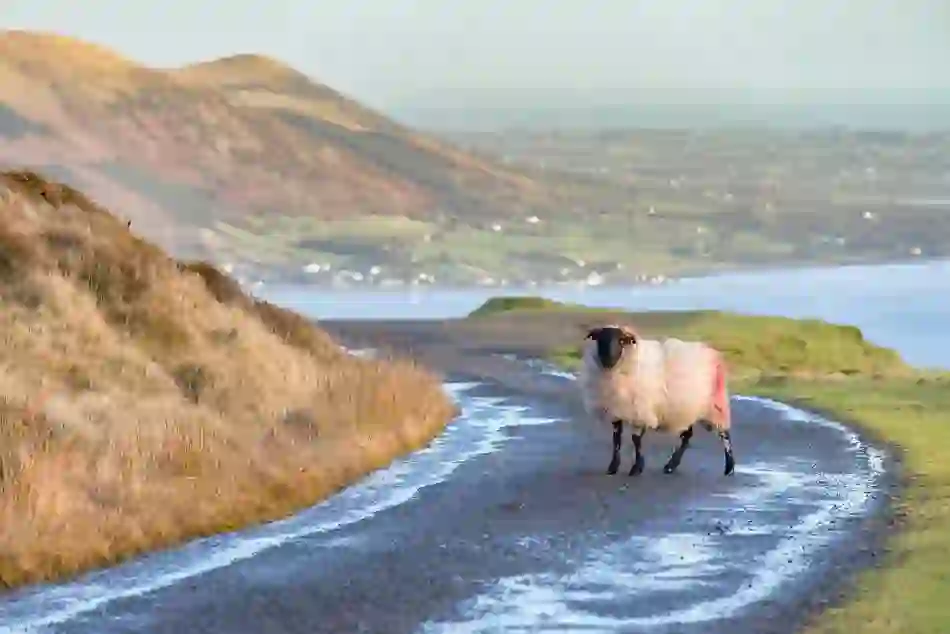
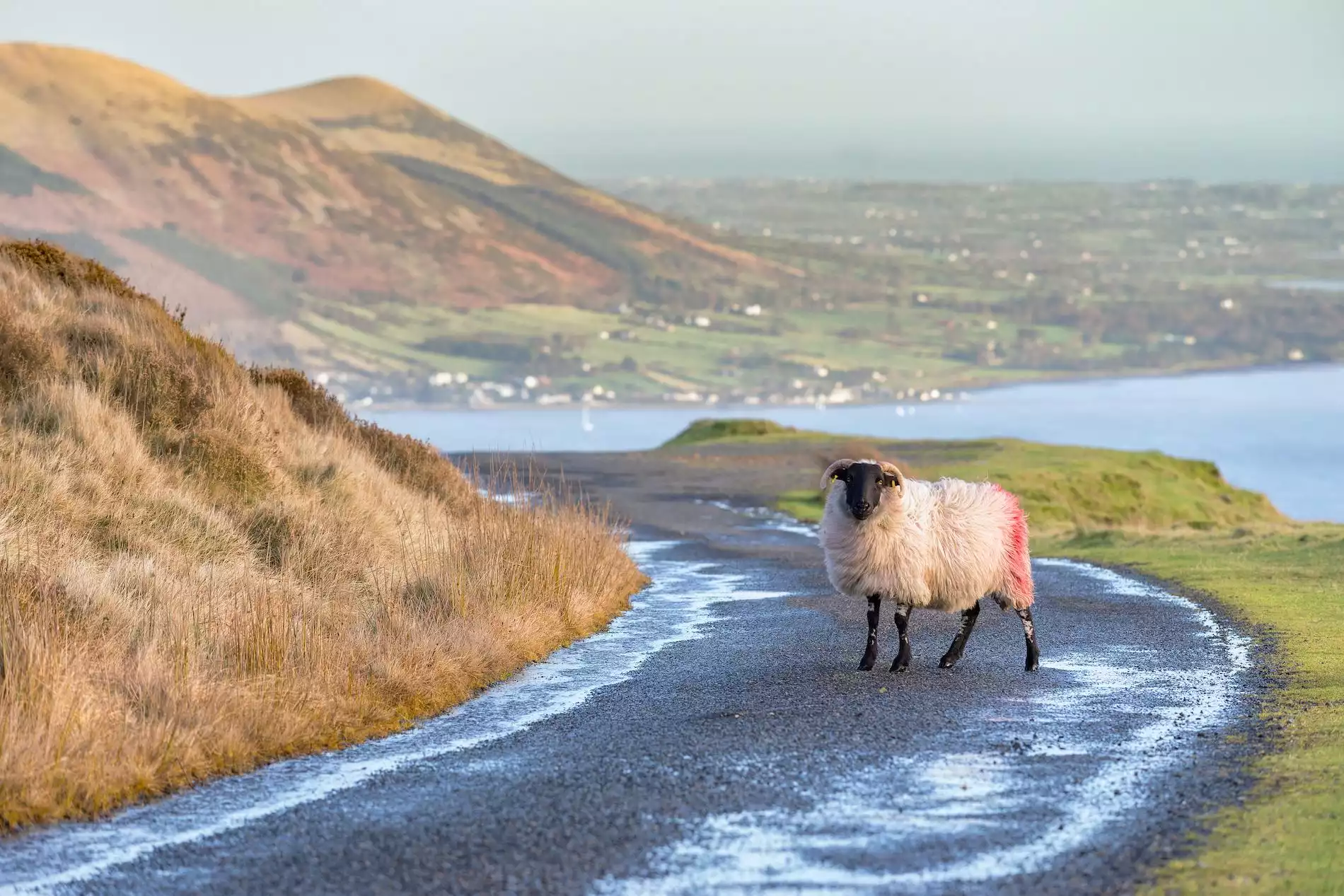
Getting around
Ireland is compact, friendly and easy to navigate. So all you need to worry about is picking the right traveling companion.
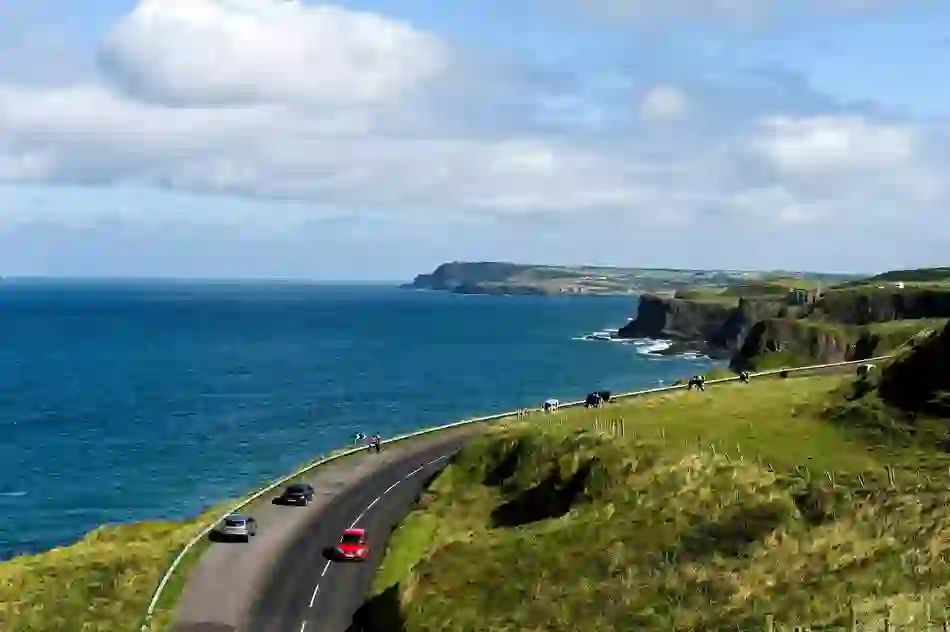

Trip ideas
May the road rise up to meet you – that’s what we say in Ireland when you're setting out on a journey. So pick your trip!