My Ireland


Oops... no internet connection
While offline, you can still add items to My board. New travel reccomendations will only show up once you’re back online.
Items without a physical location are not shown in map view.
Looks like your board is empty


Collection cover image
Visible to people you share your board with


Location access
- View offers and deals nearby
- Find travel inspiration based on your location
- Get local weather forecasts and essential information








Travel times
Tell us when you are travelling to Ireland and we'll show you tailored reccomendations during of your trip.


- Recommended events during your stay
- Helpful travel reminders and updates
Privacy
We take your privacy very seriously and only ever process your data with your permission. If possible this is handled anonymously and we will never store your data for longer than is required. For more information on how we handle your personal data, please read our privacy policy.
Remove data
To securely remove all data associated with your profile, please contact our Data Protection Officer.
Reset your board
This will remove all the items you have previously liked from your board. Please note, you can’t undo this action.
Location access
- View offers and deals nearby
- Find travel inspiration based on your location
- Get local weather forecasts and essential information
Travel times
Tell us when you are travelling to Ireland and we'll show you tailored reccomendations during of your trip.
- Recommended events during your stay
- Helpful travel reminders and updates
Reset your board
This will remove all the items you have previously liked from your board. Please note, you can’t undo this action.

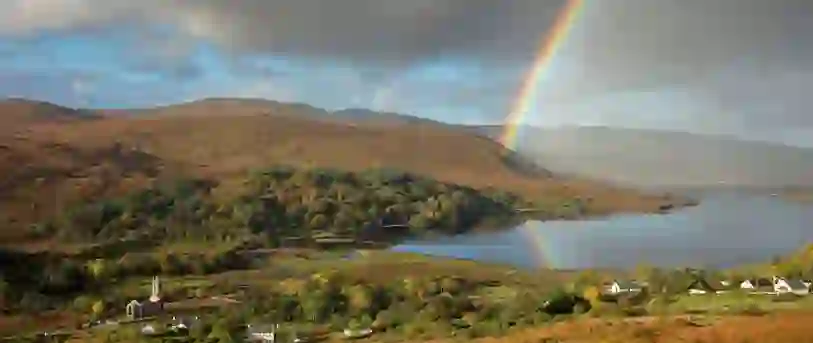

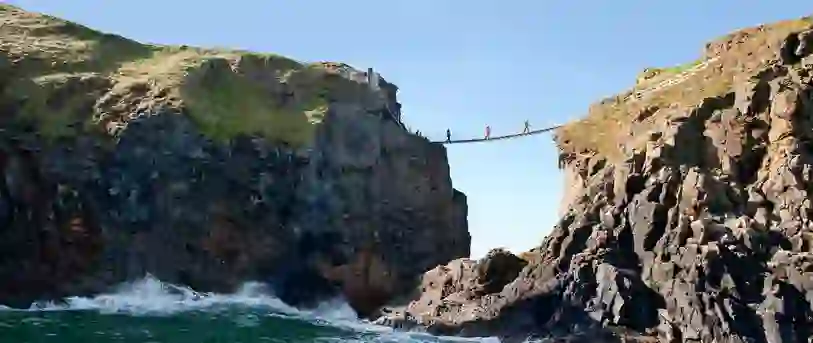

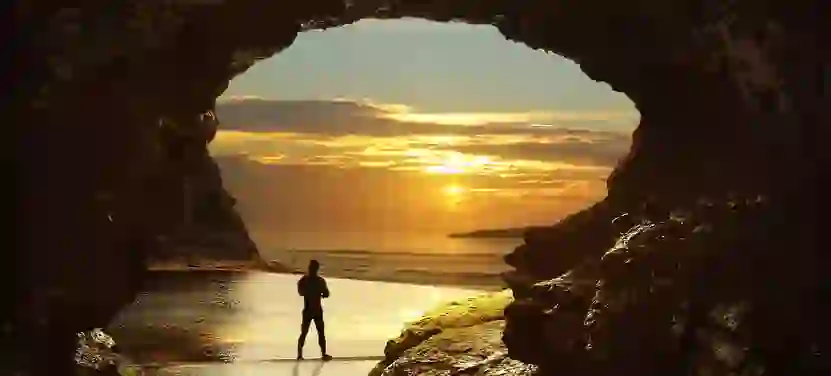

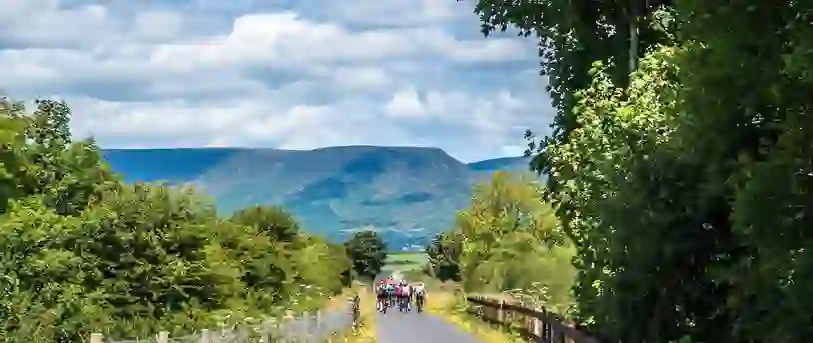

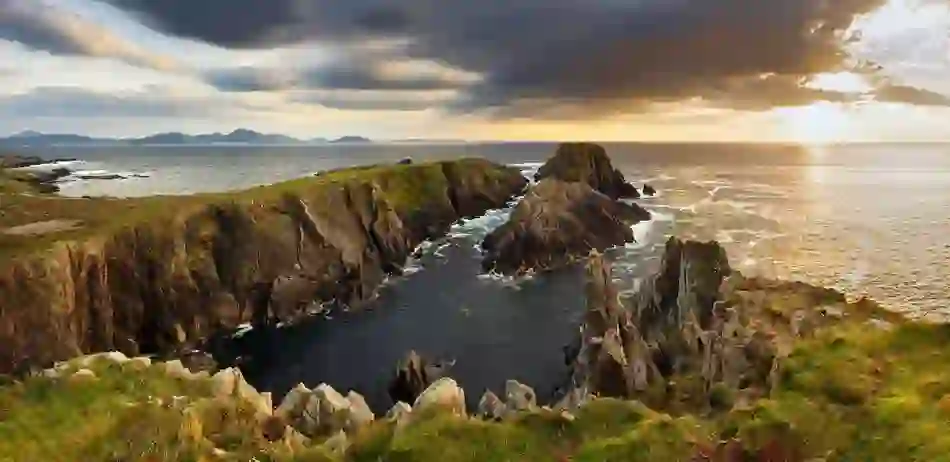

Where to go
One amazing island. Six unique regions
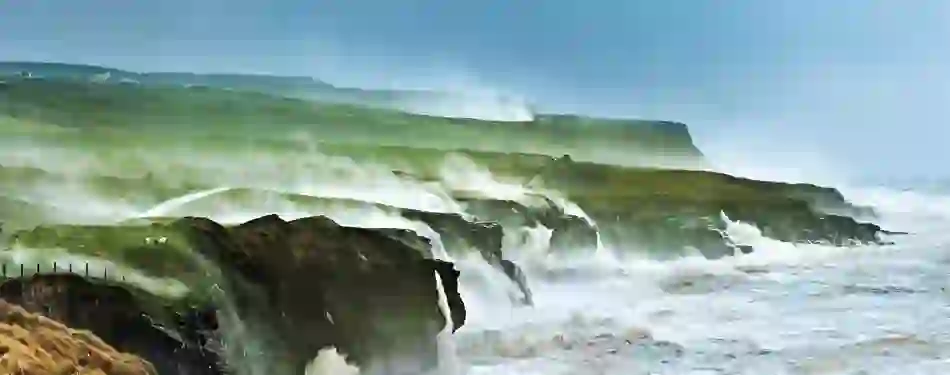
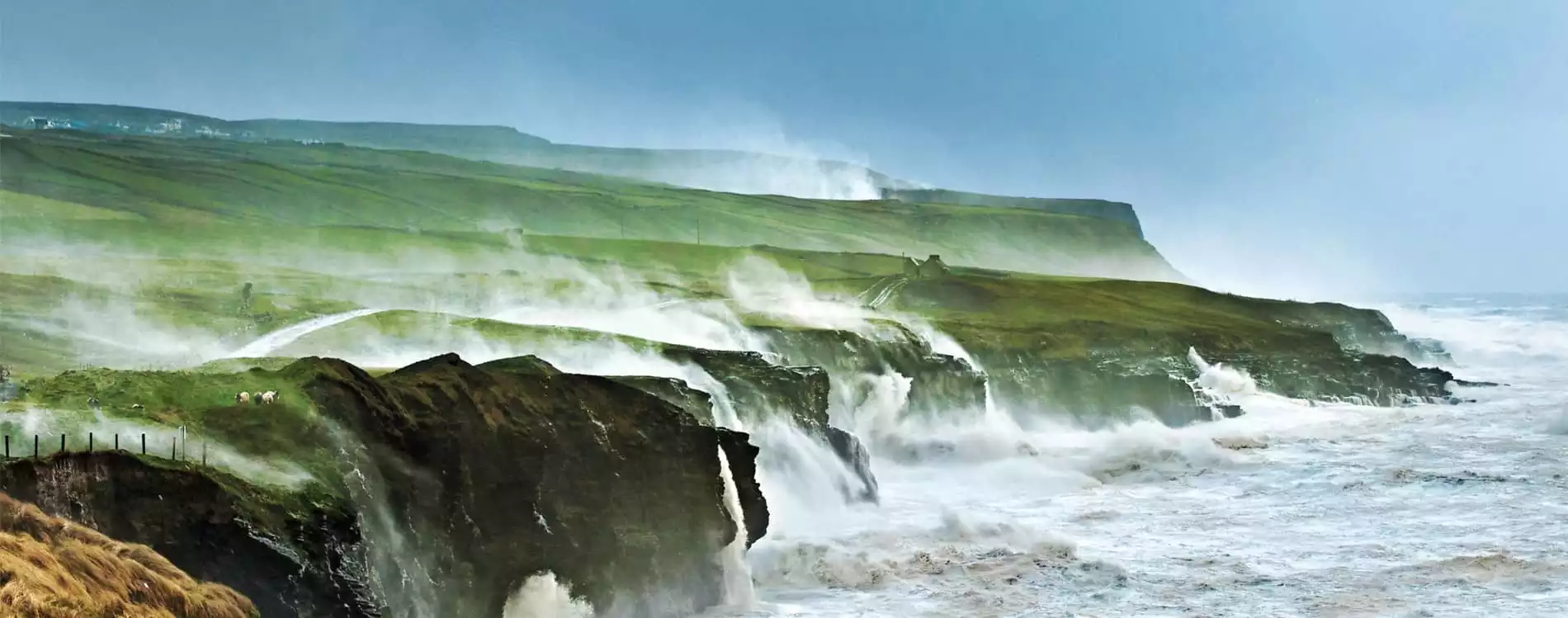
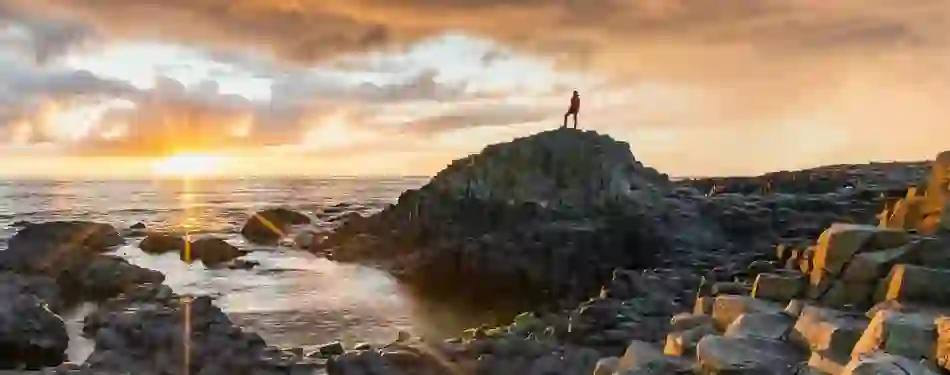
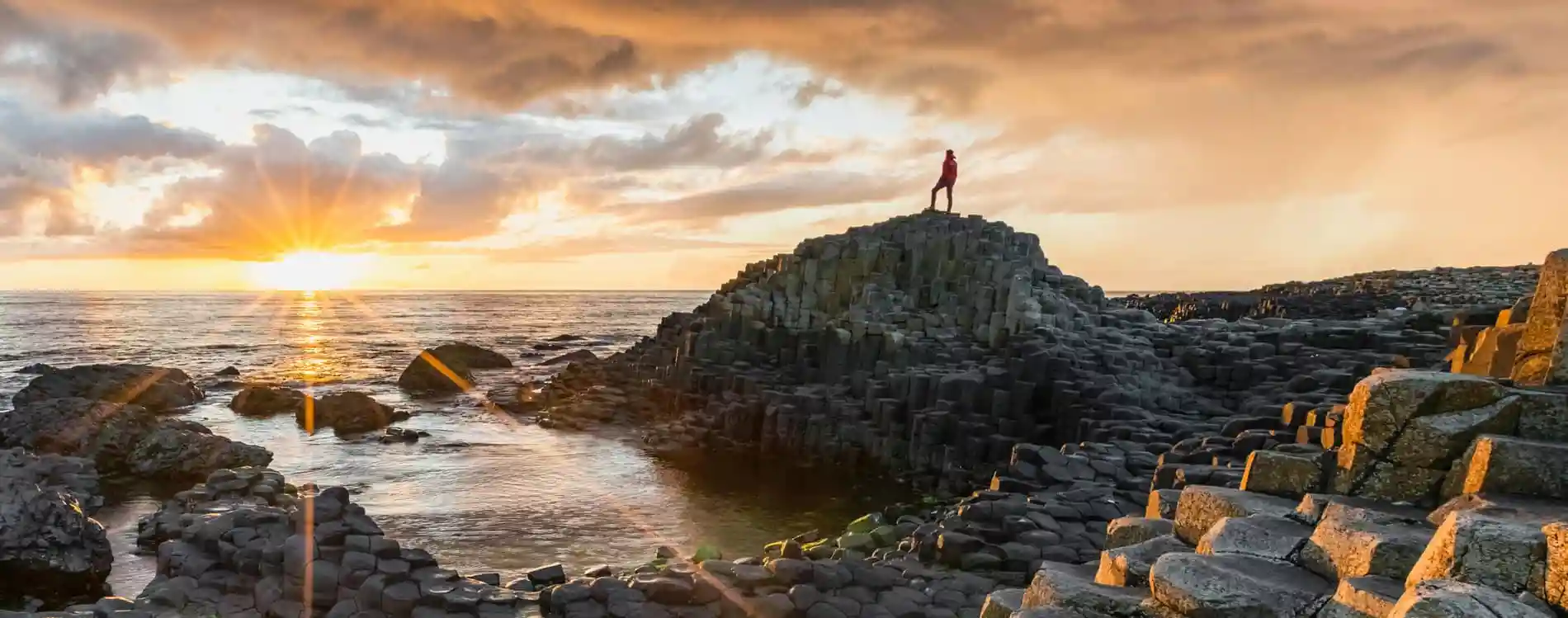
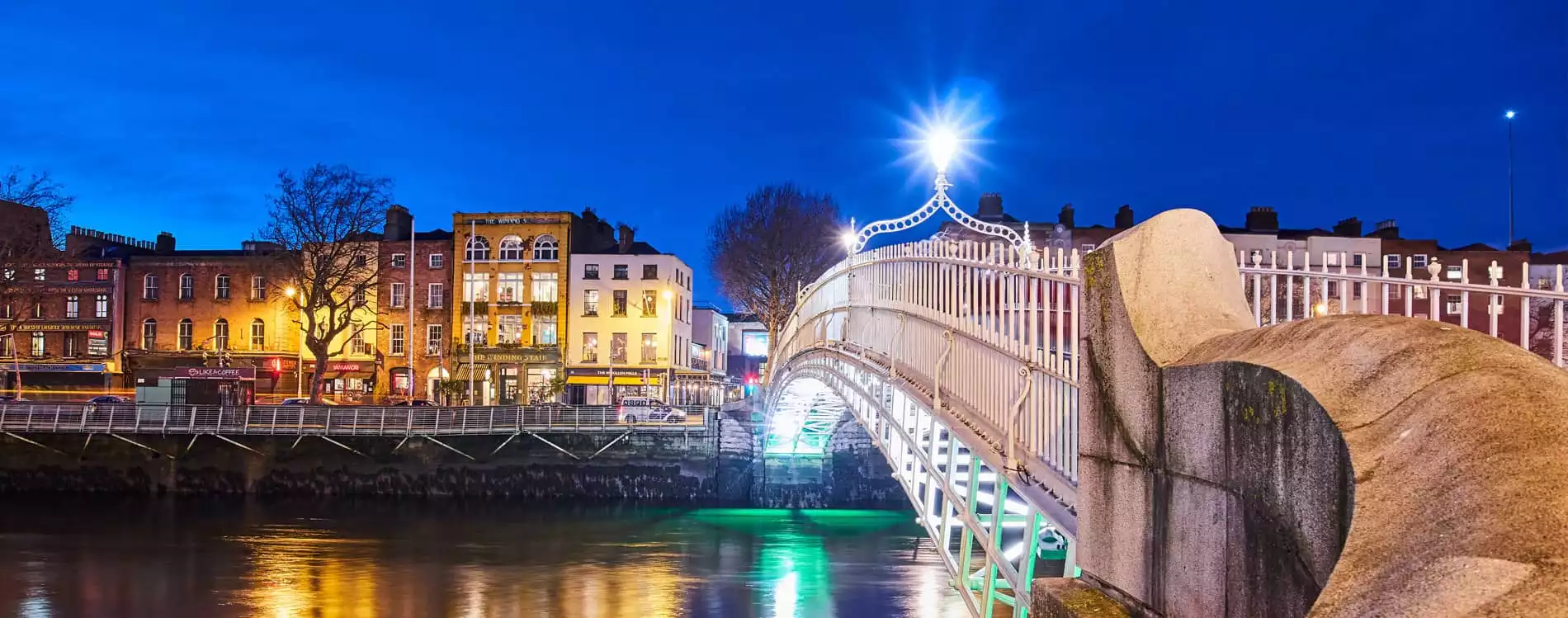
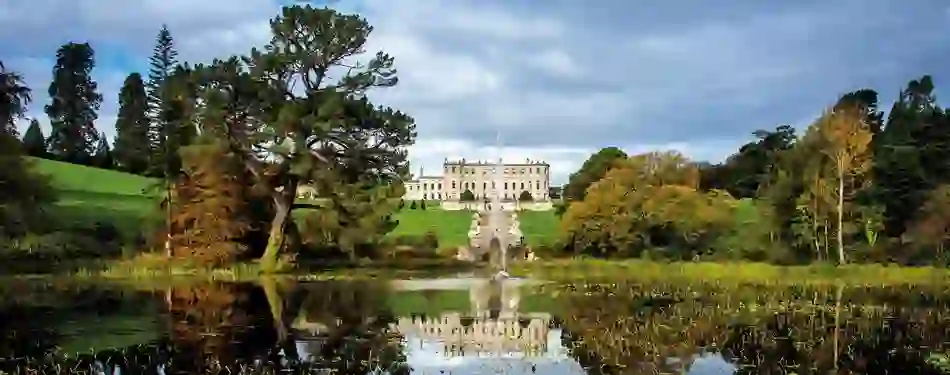
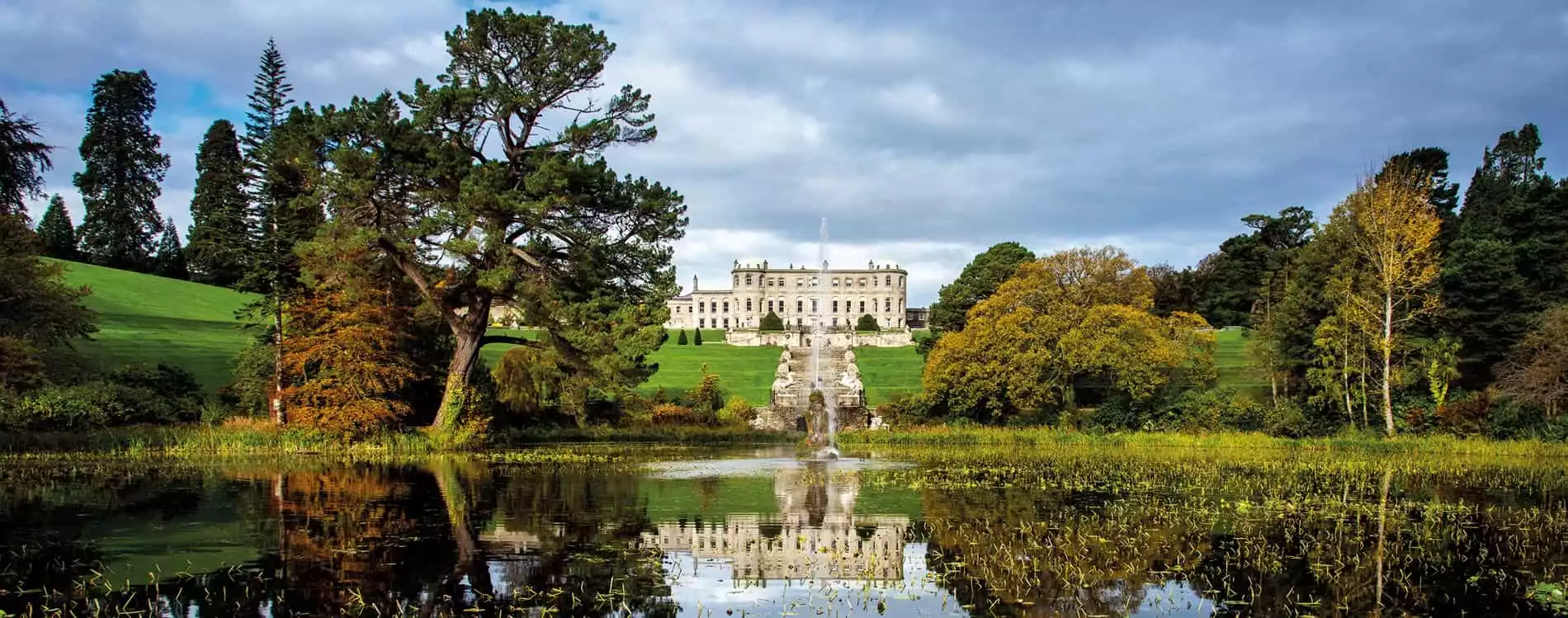
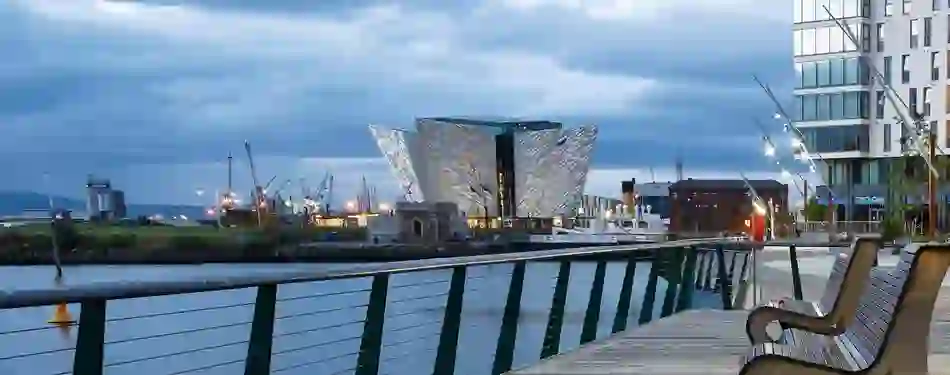

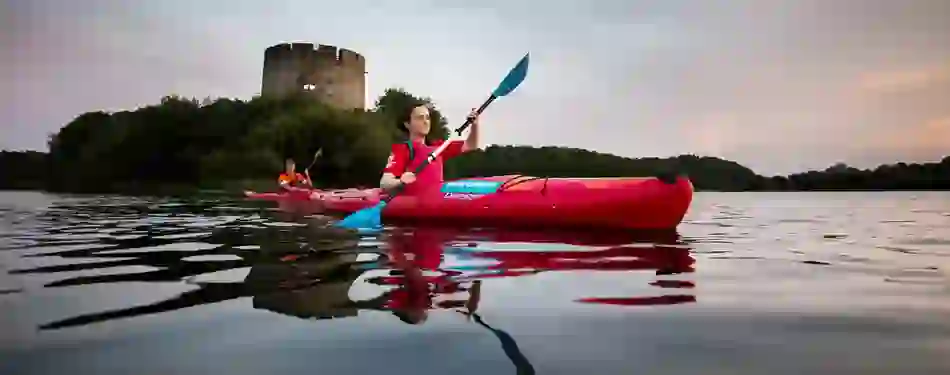

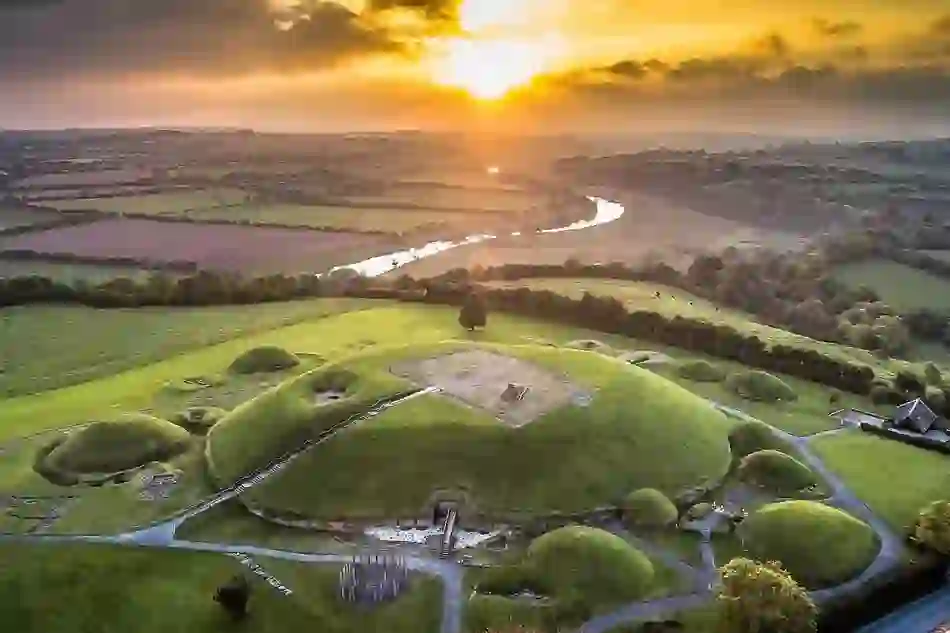
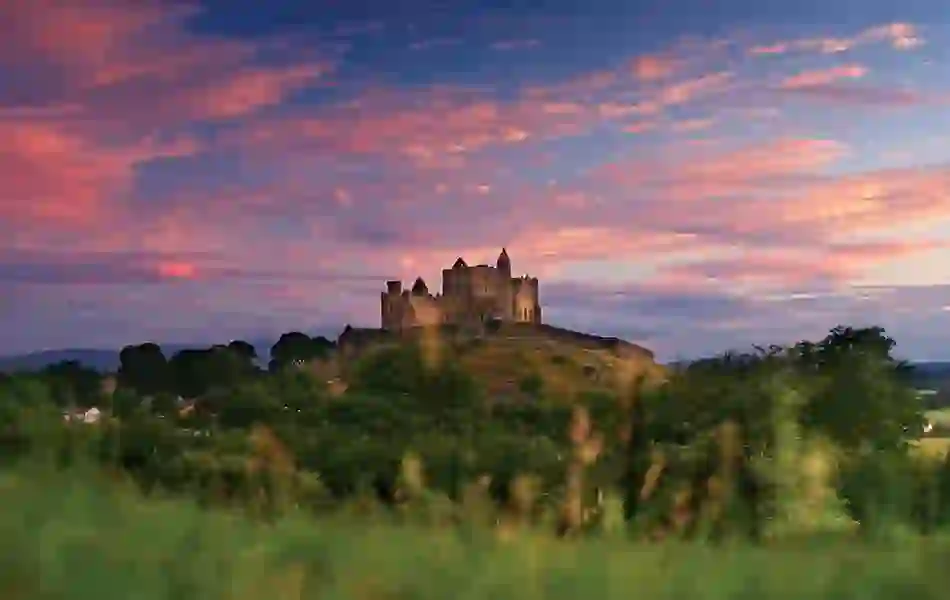
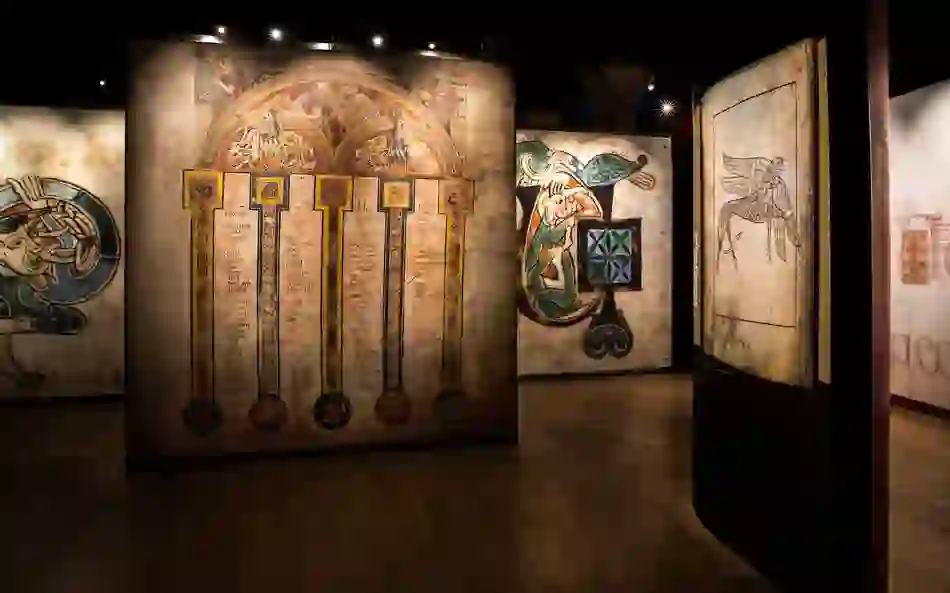
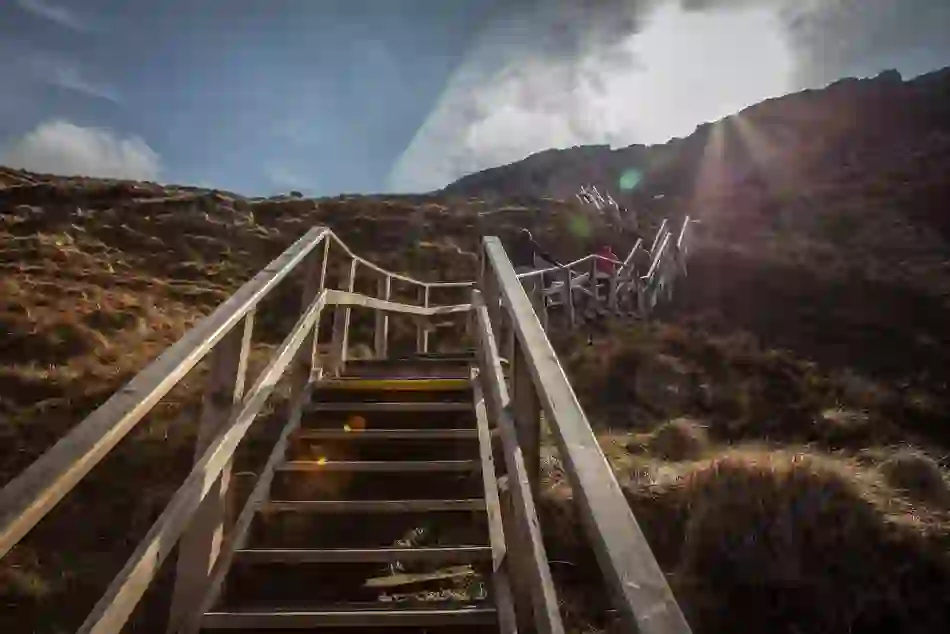
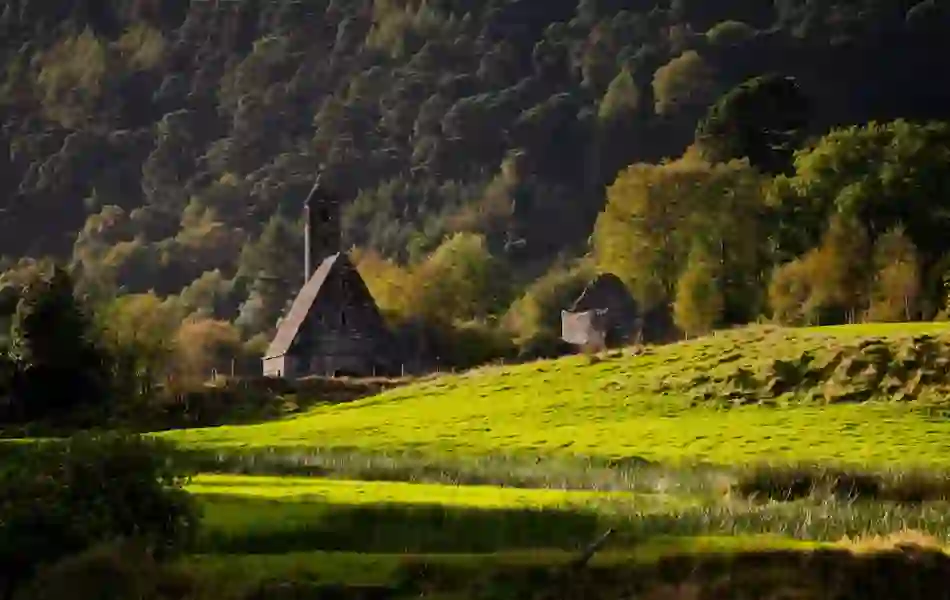
Amazing places to see
Don't miss these iconic sights and hidden gems around the island
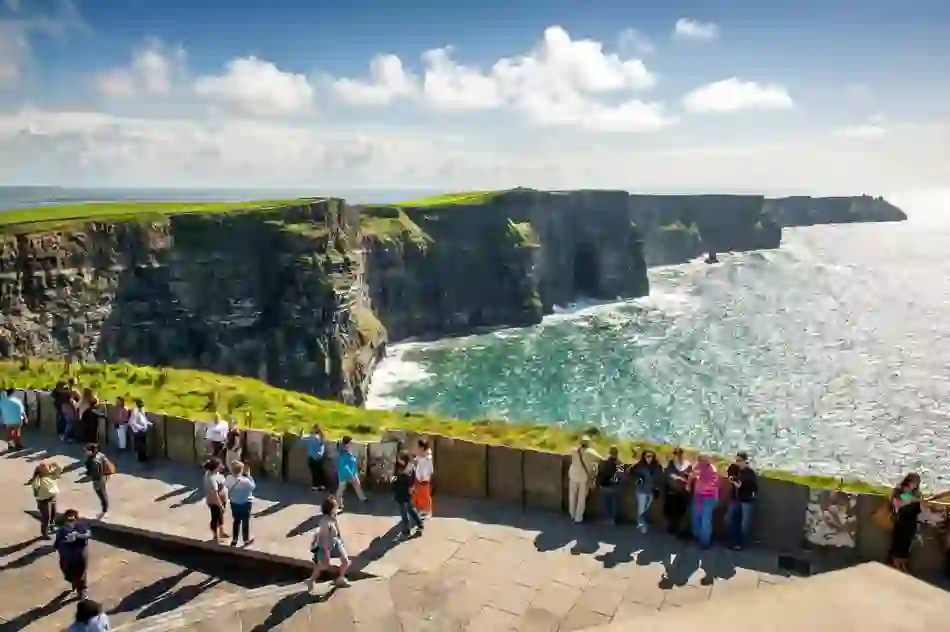

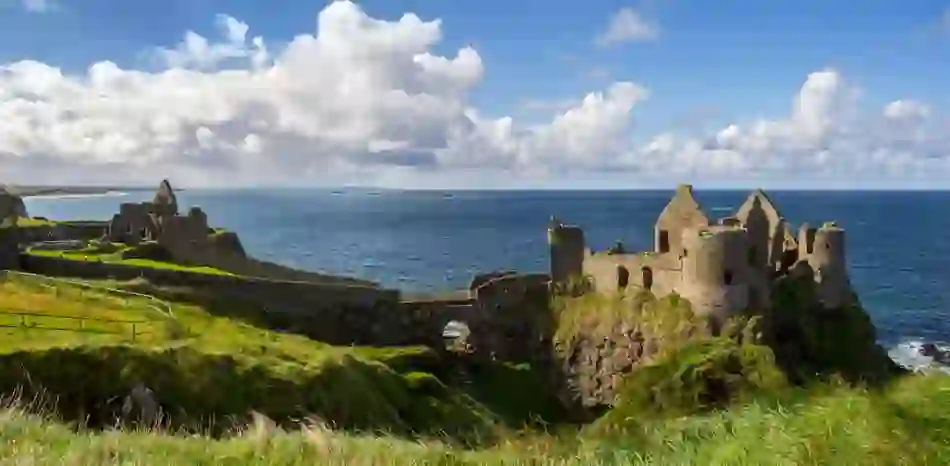

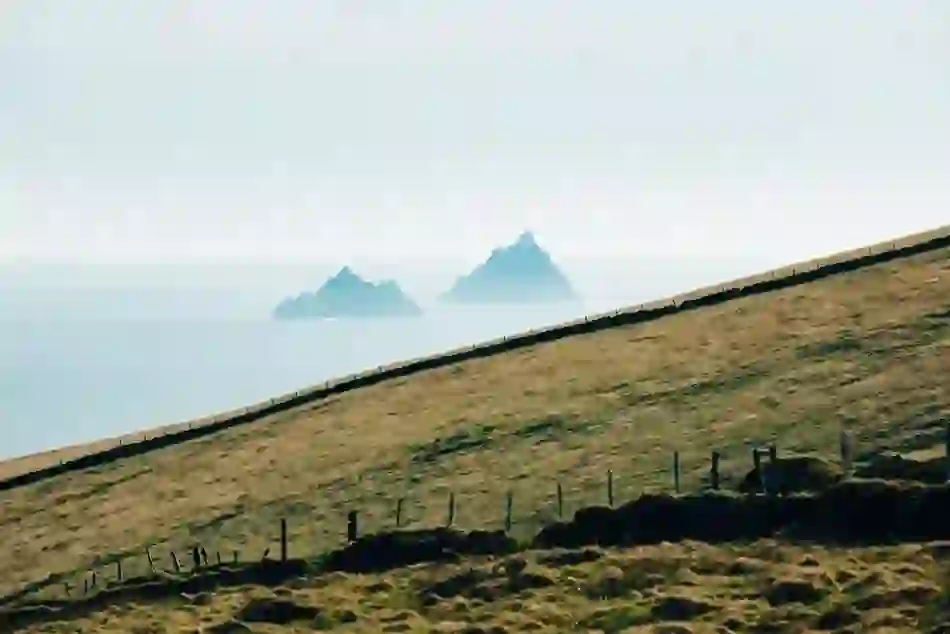

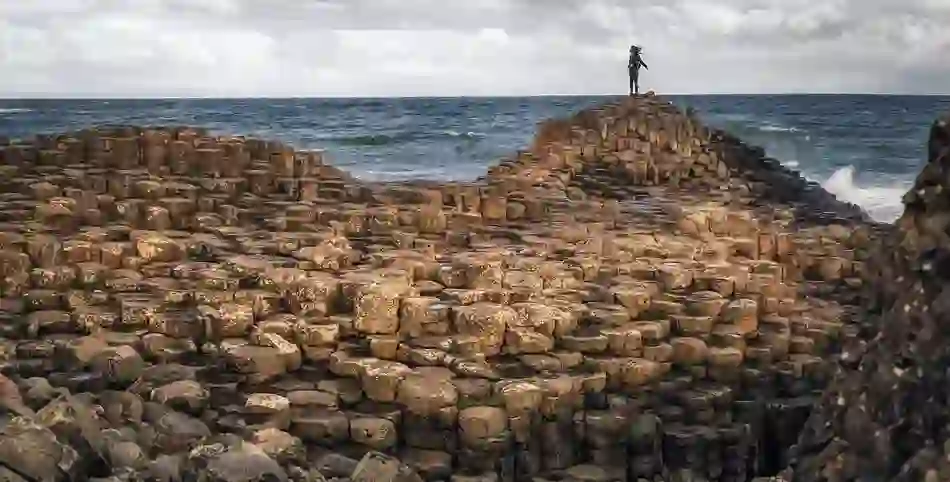

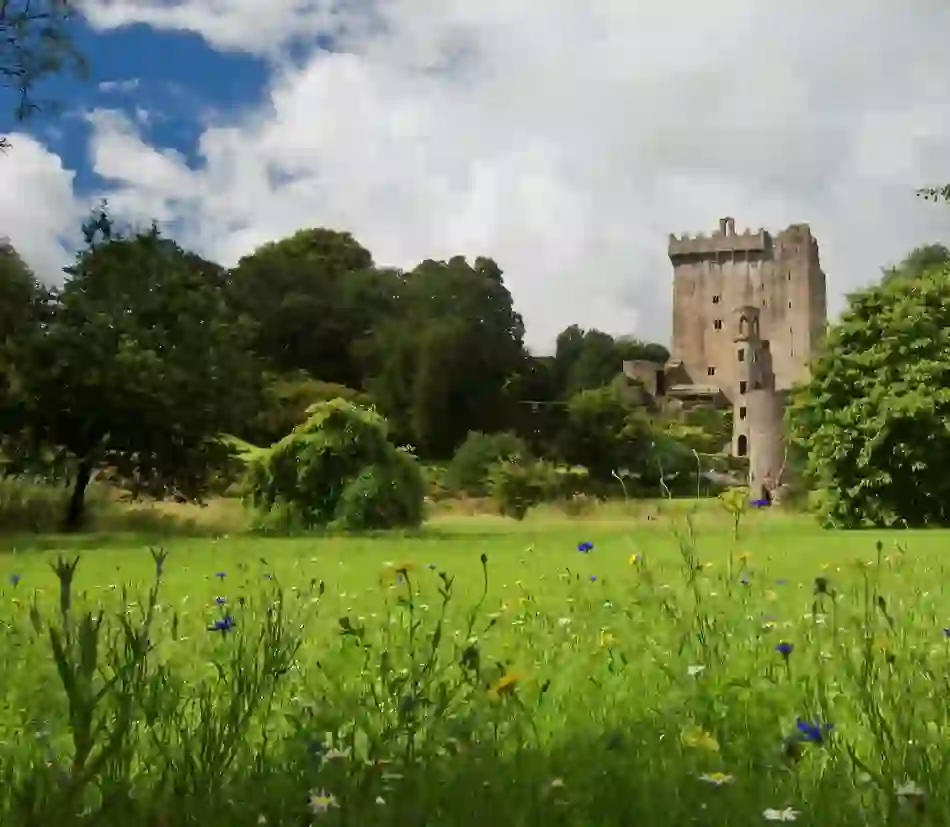


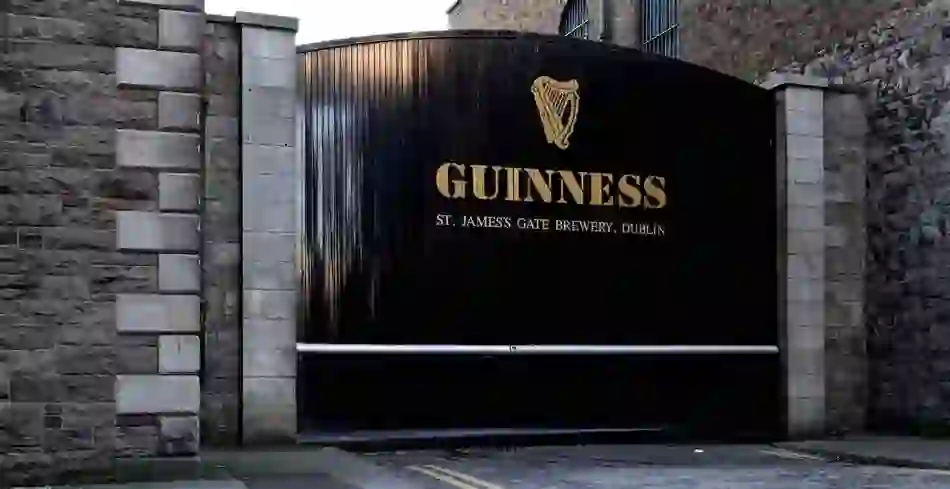

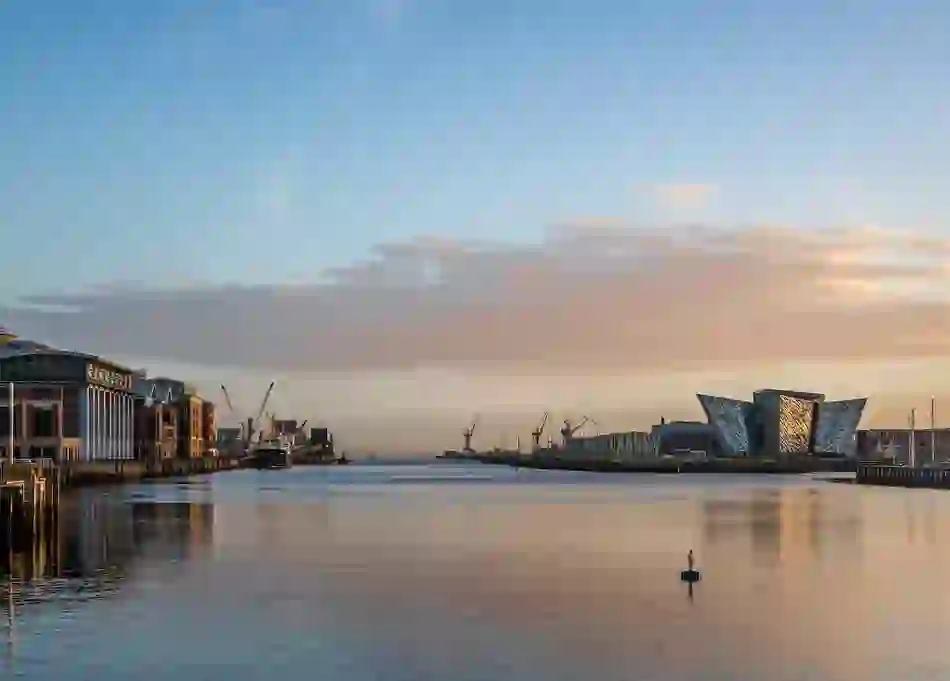

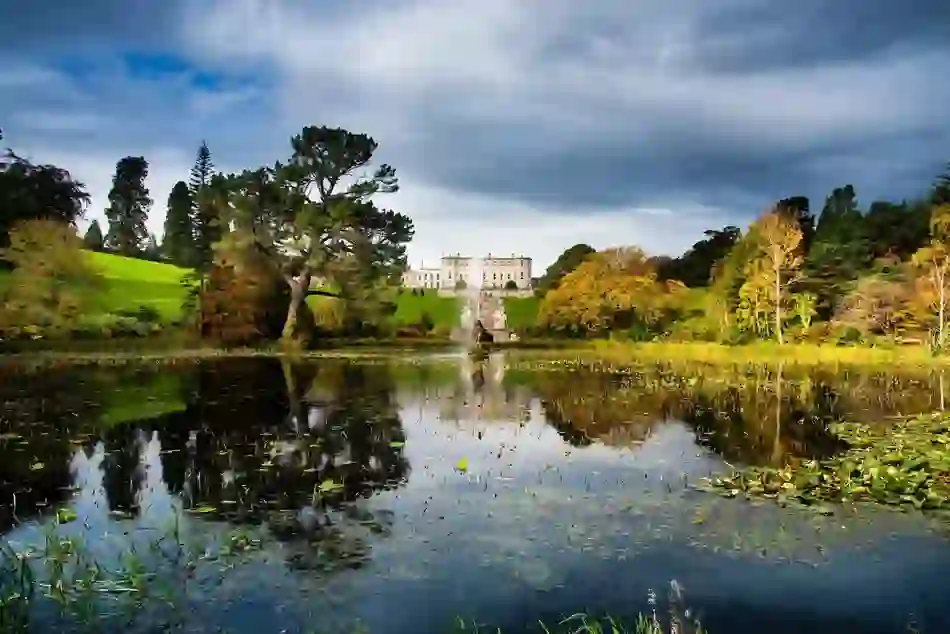

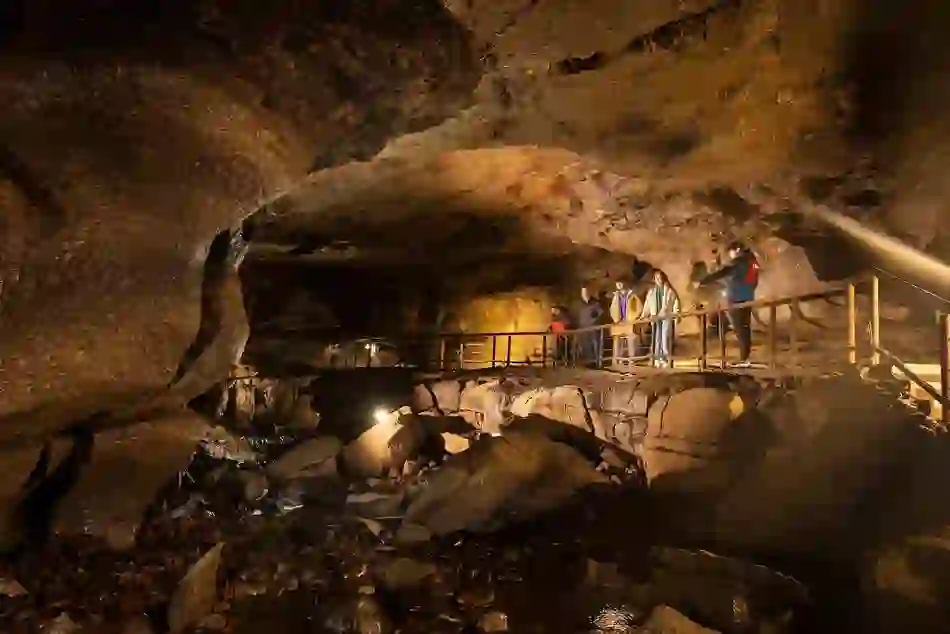






Top things to do
















Plan your Ireland trip

Trip idea
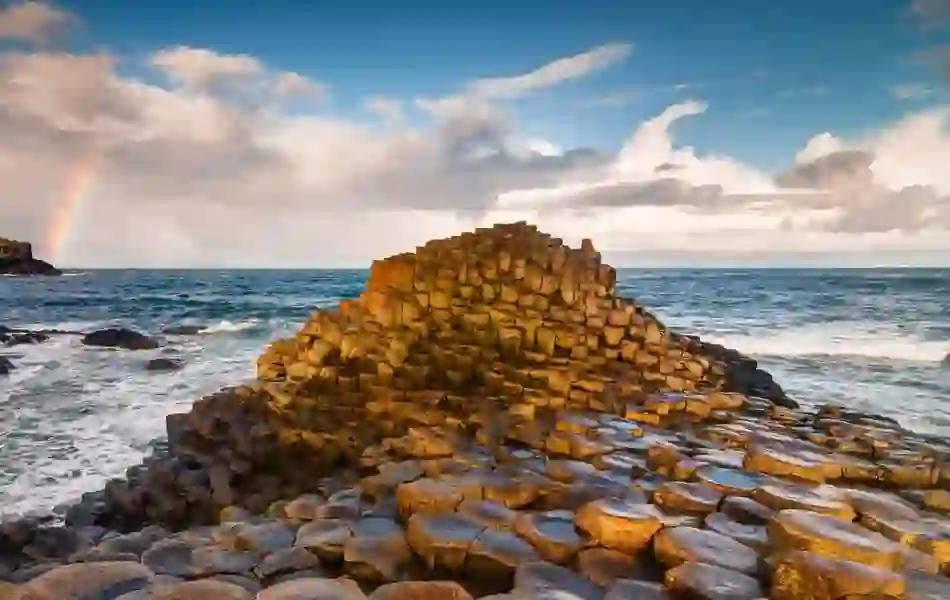
Causeway Coastal Route
6 days 148 km
Causeway Coastal Route
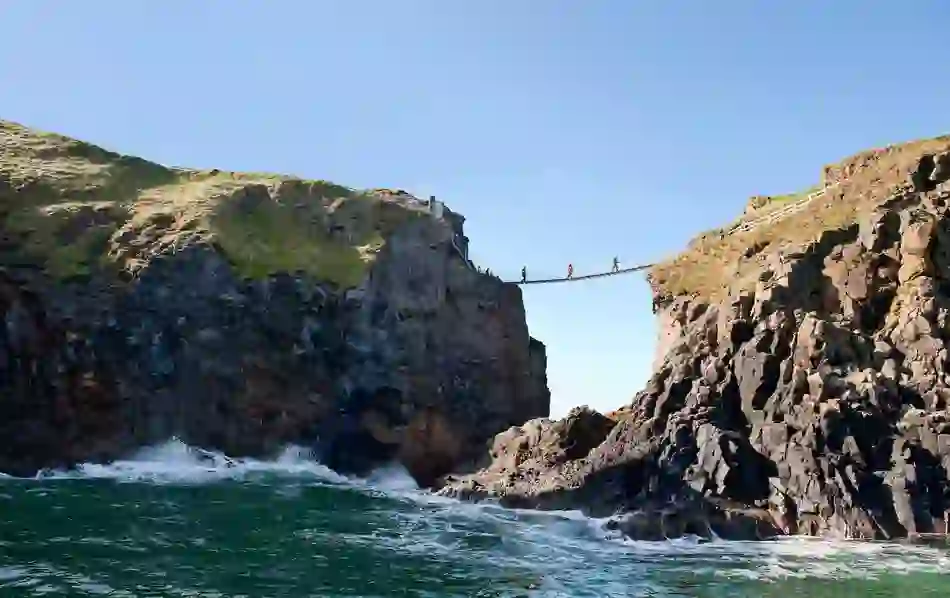
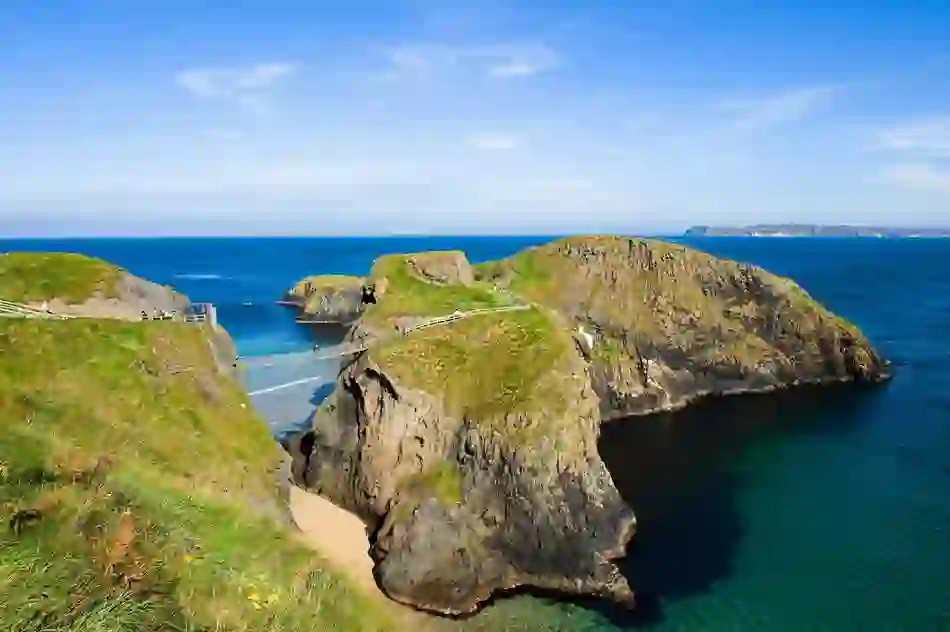
The Causeway Coastal Route is one of Northern Ireland's greatest adventures.
From Belfast To Derry~Londonderry
Experience Now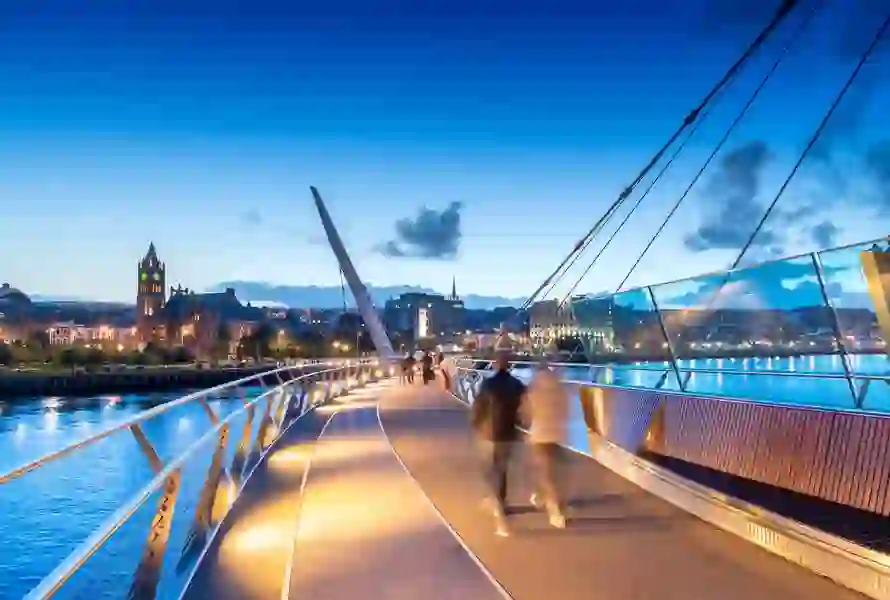
Trip idea
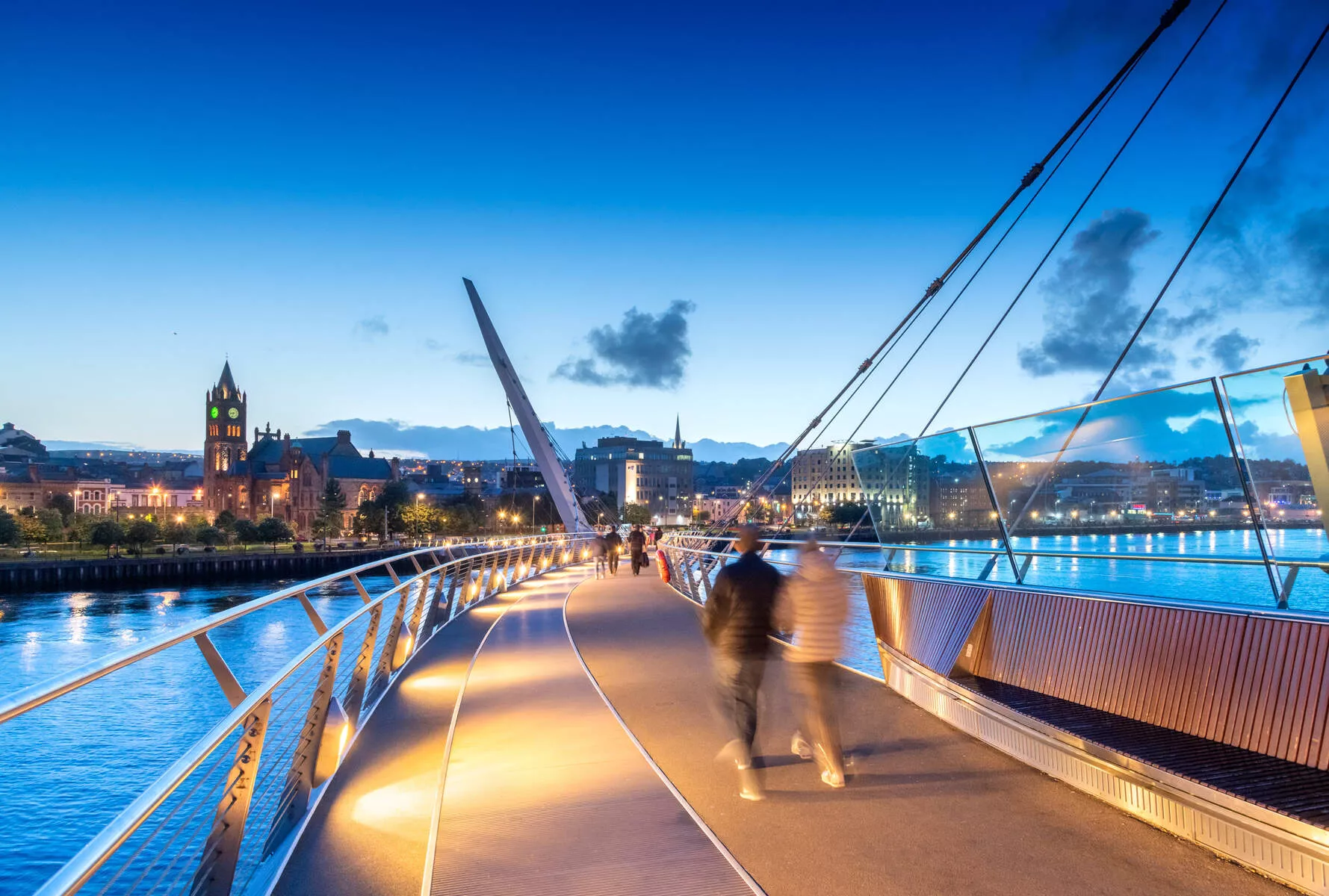
48 hours in Derry~Londonderry and the Causeway Coast
2 days 135 km
48 hours in Derry~Londonderry and the Causeway Coast
Explore the very best of Northern Ireland from the heart of the Walled City!
From Causeway Coast To Derry~Londonderry
Experience Now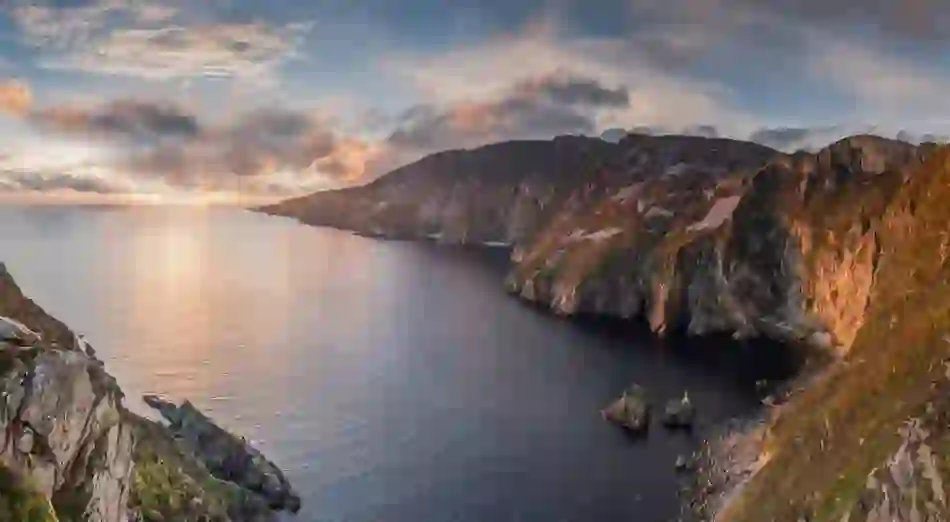

Trip idea
Donegal's northern headlands
4 days 430 km
Donegal's northern headlands
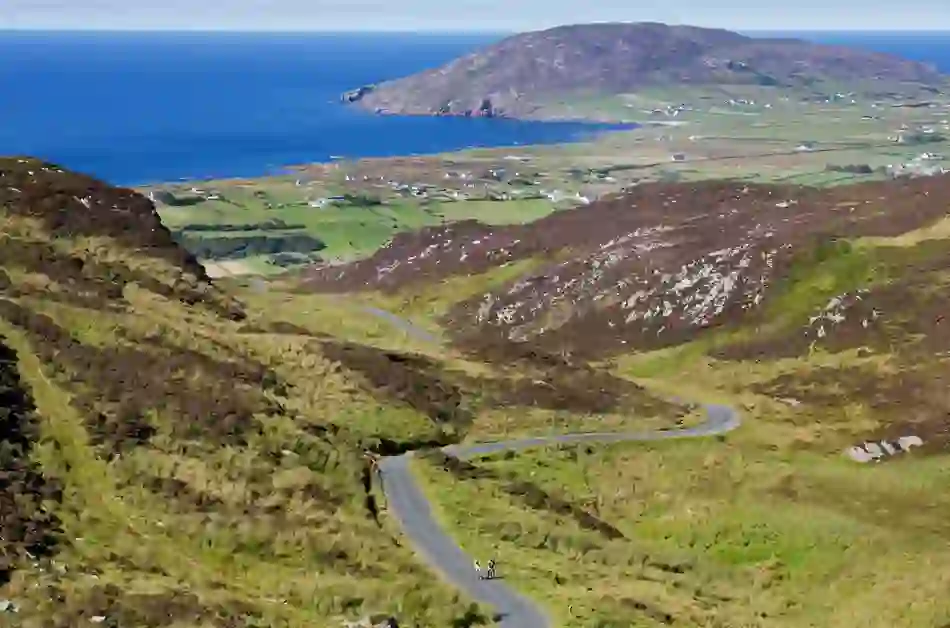
Take a journey to the edge of the world... this is Ireland's stunning north east.
From Inishowen Peninsula To Donegal town
Experience Now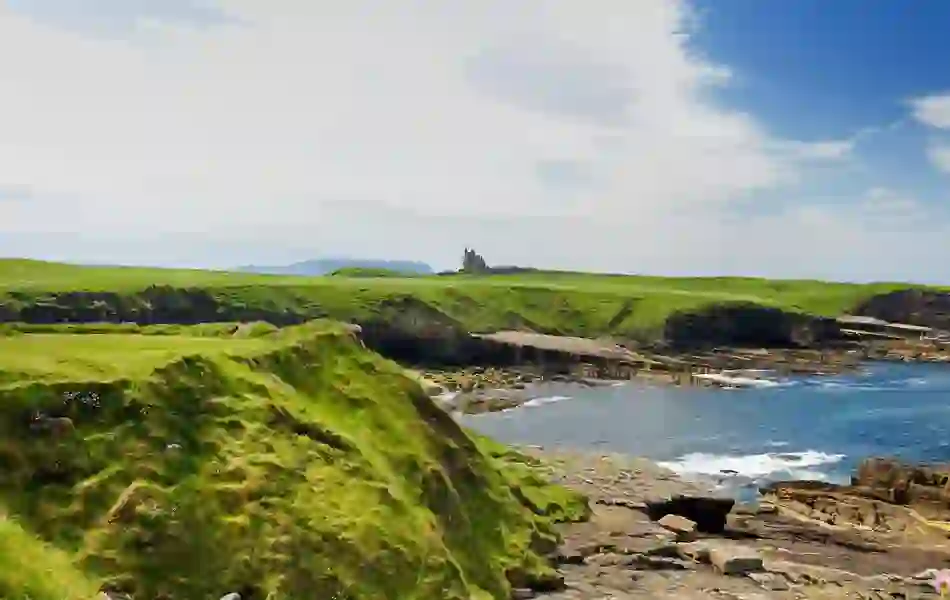

Trip idea
Surfers' paradise
2 days 160 km
Surfers' paradise
Sea and land combine to create a vista of pure poetry on the Wild Atlantic Way.
From Donegal To Mayo
Experience Now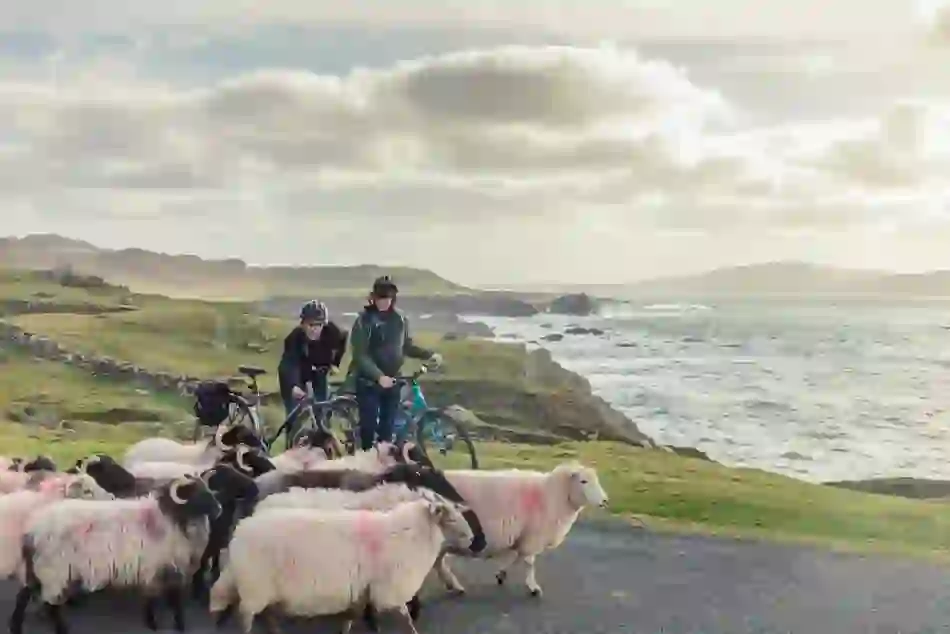

Trip idea
Great Western Greenway
4 days 125 km
Great Western Greenway
Uncover the west of Ireland's most dramatic sights.
From Westport To Achill Island
Experience Now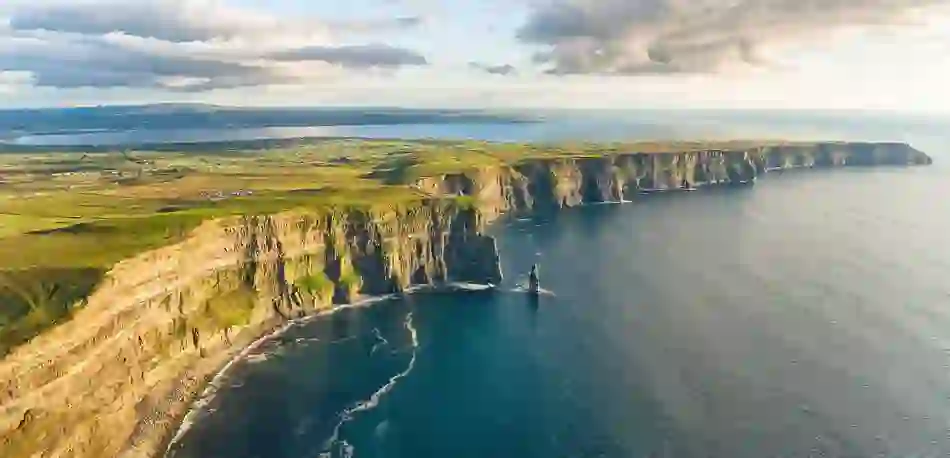

Trip idea
Cliffs and coves
4 days 319 km
Cliffs and coves
Be wowed with panoramic views from atop the Wild Atlantic Way's most dramatic cliff edges.
From Galway To Limerick
Experience Now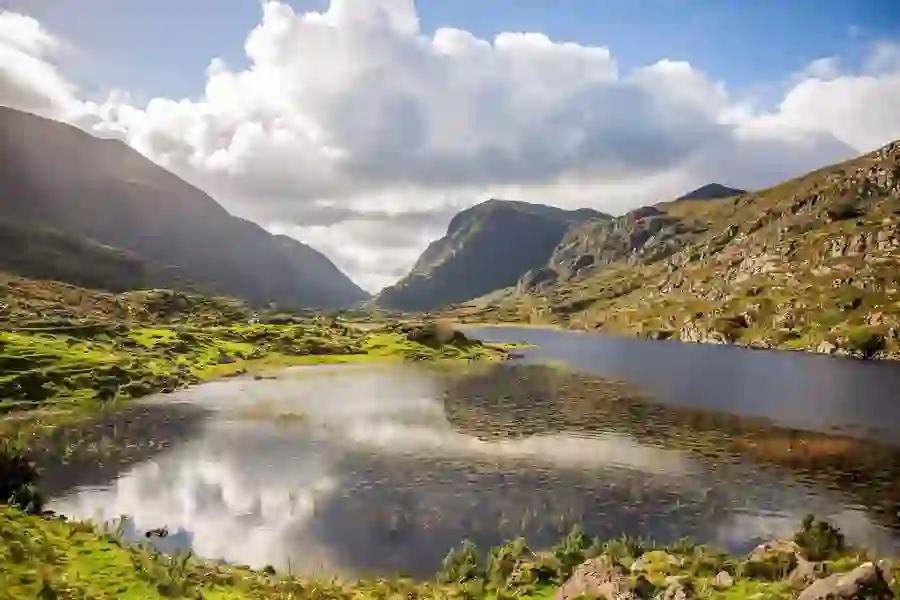

Trip idea
A trip around the Ring of Kerry
2 days 183 km
A trip around the Ring of Kerry
Experience Ireland at its wildest.
From Killarney To Killarney National Park
Experience Now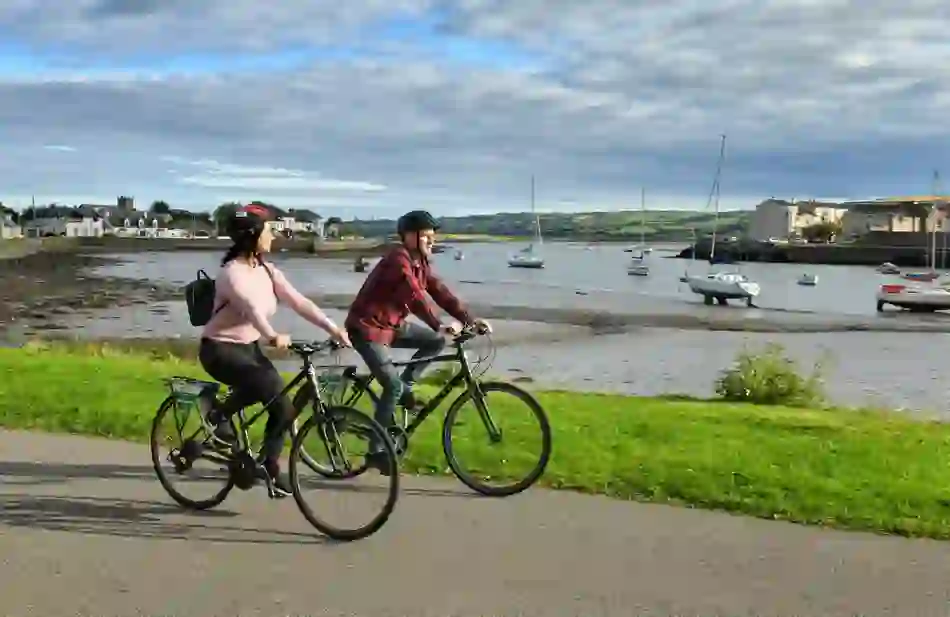

Trip idea
Cycling the Waterford Greenway
2 days 80 km
Cycling the Waterford Greenway
Grab your bike and take in the sites of this stunning cycling trail.
From Waterford city To Dungarvan
Experience Now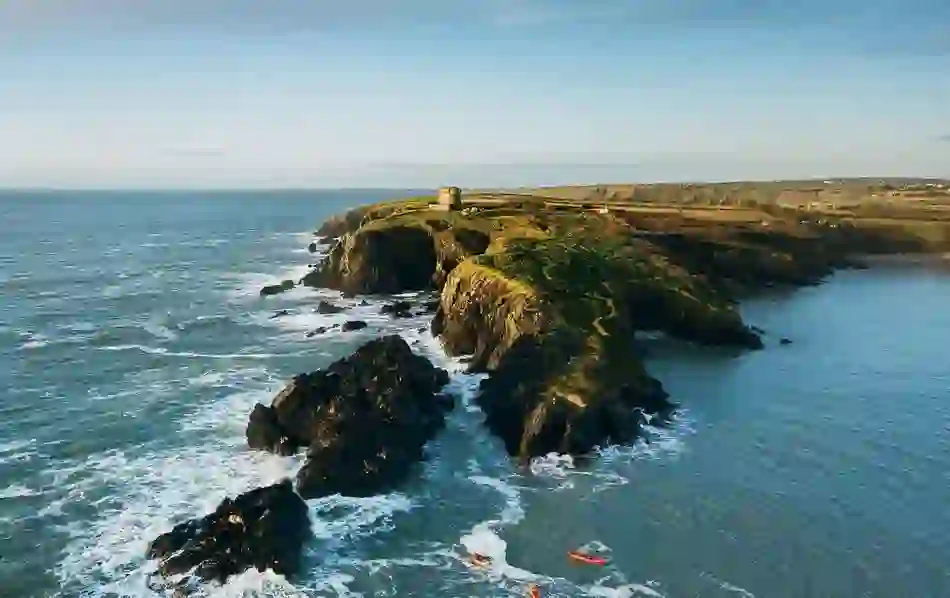
Trip idea
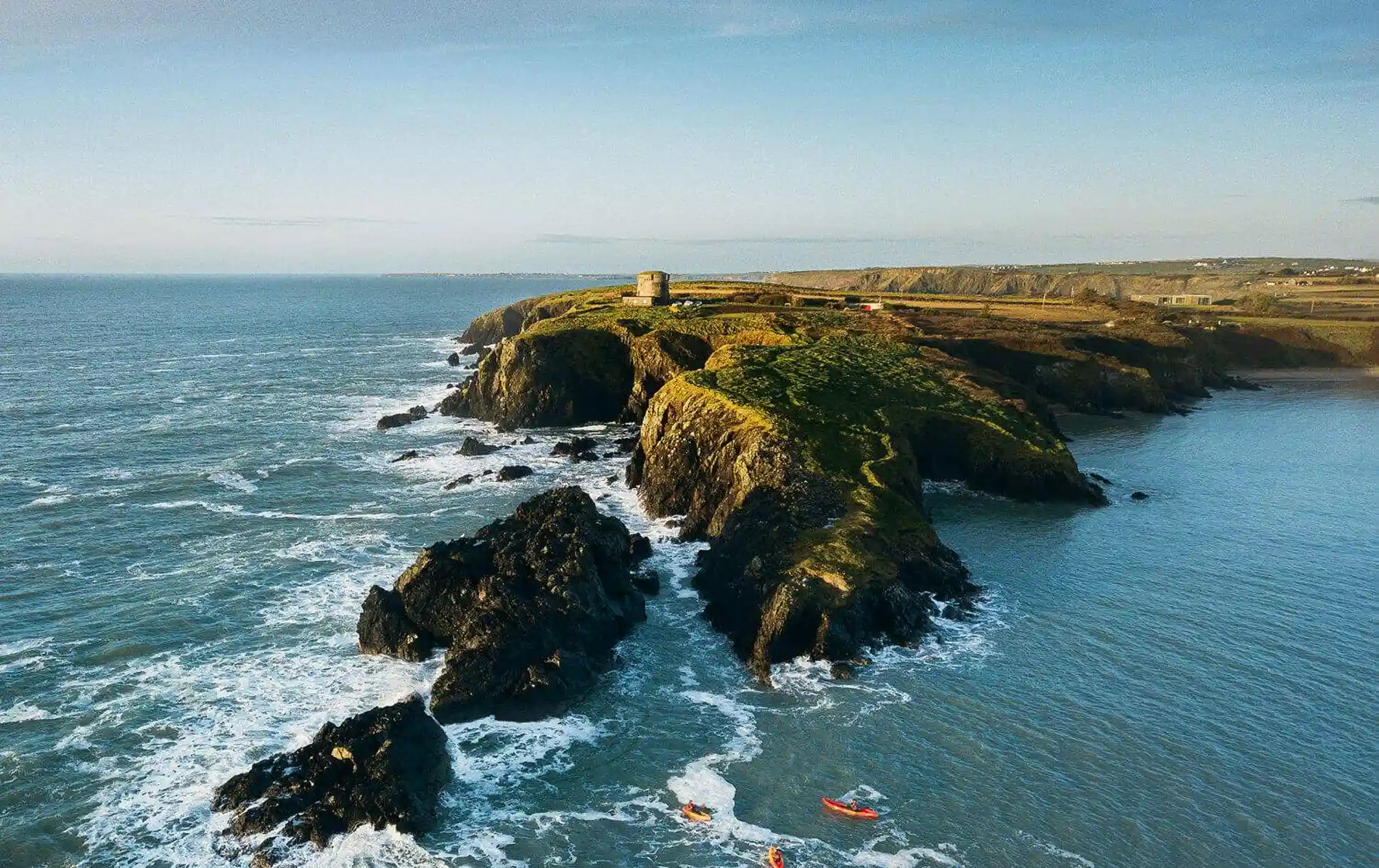
Ireland's Ancient East from County Wexford
4 days 342 km
Ireland's Ancient East from County Wexford
Explore gorgeous landscapes and dramatic histories around Ireland's Ancient East.
From Rosslare To Kilkenny city
Experience Now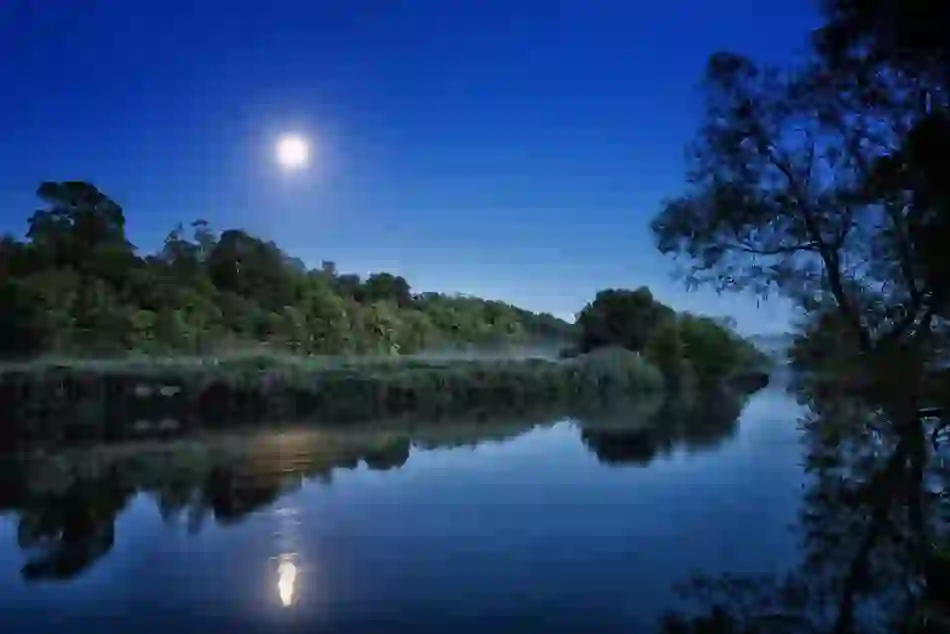

Trip idea
Explore Ireland's Ancient East on Dublin's doorstep
3 days 399 km
Explore Ireland's Ancient East on Dublin's doorstep
Cinematic – that's the only word to describe what lies on Dublin's doorstep.
From Wicklow To Meath
Experience Now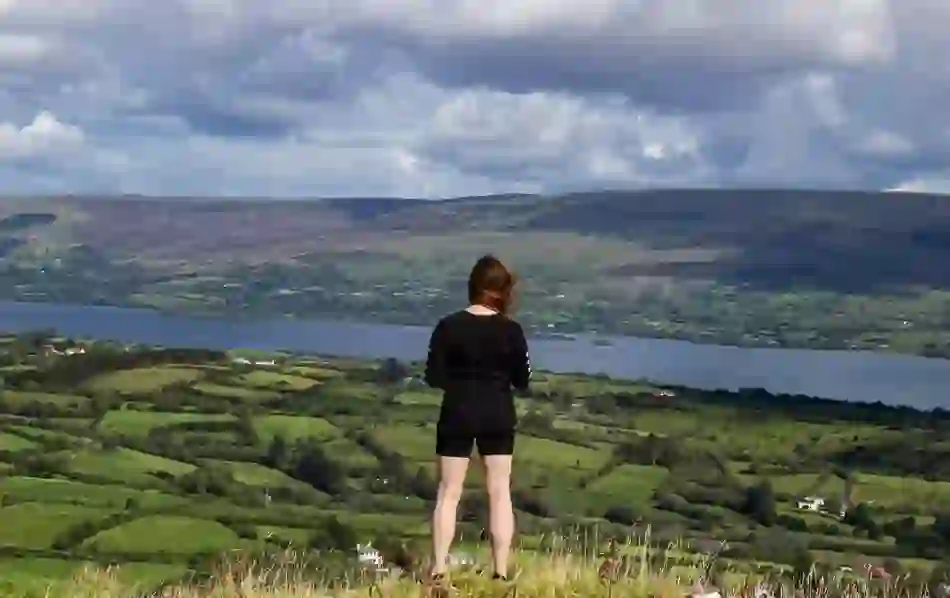

Trip idea
Ireland's Hidden Heartlands
5 days 484 km
Ireland's Hidden Heartlands
Five days. 11 counties. One big adventure...
From Cavan Burren Park To Mitchelstown Caves
Experience NowLet Ireland inspire you!












Ireland: need to know
Thinking of a trip to Ireland?
Getting here
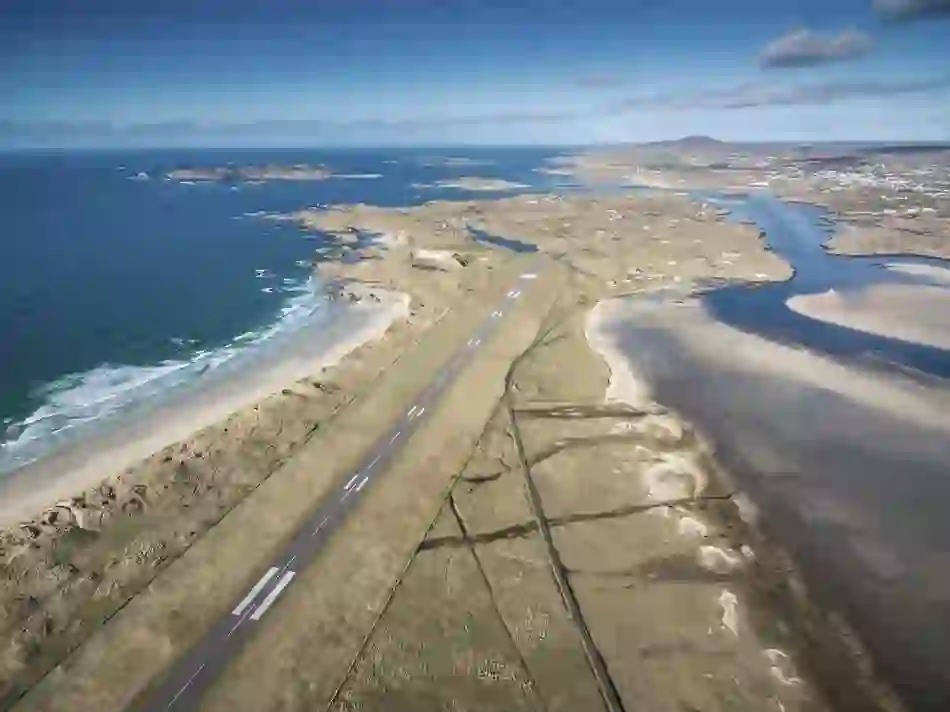
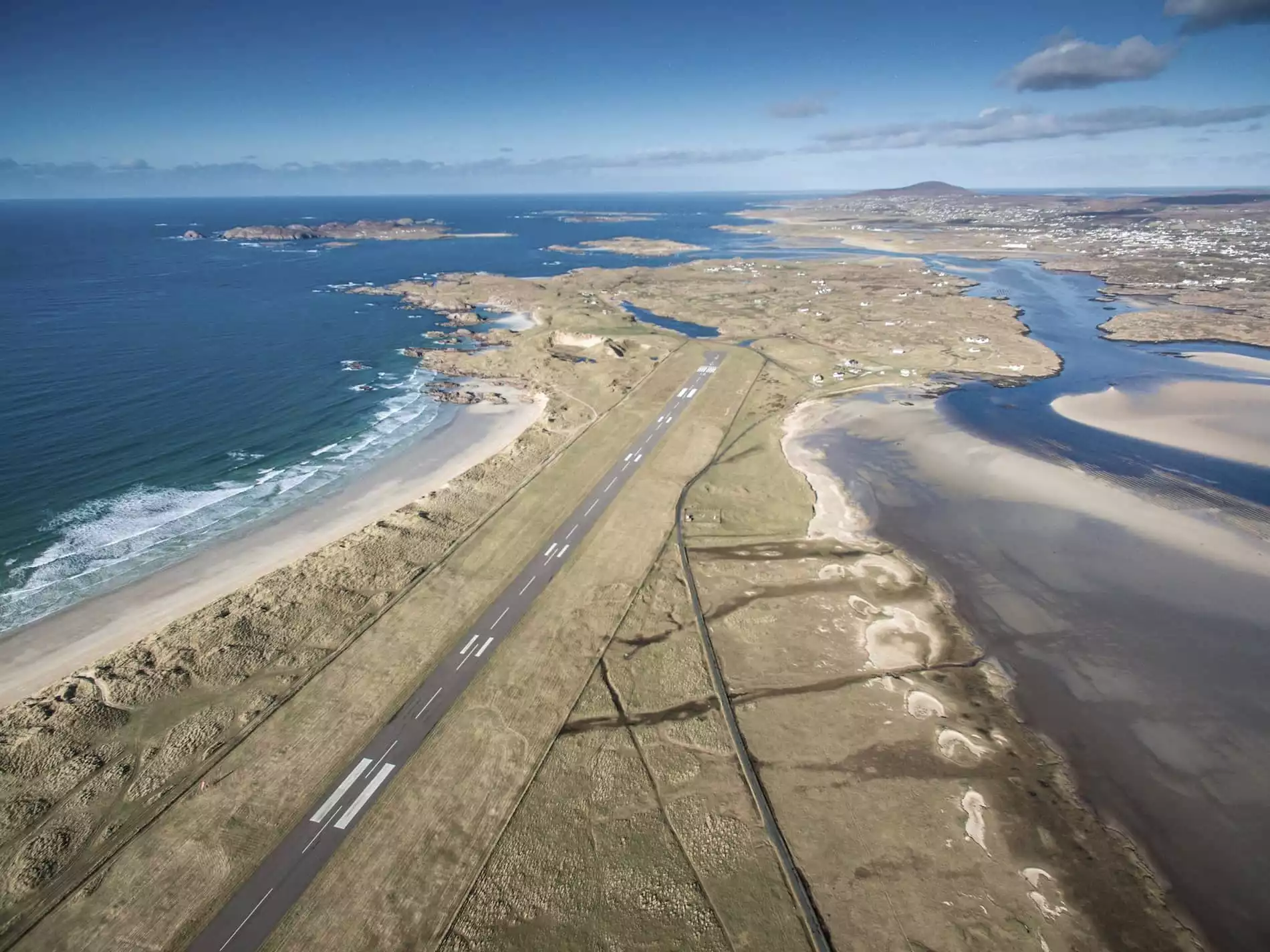
Ireland from the air – what's not to love? We can help you find the perfect flight or ferry route for your Ireland trip.
Getting around
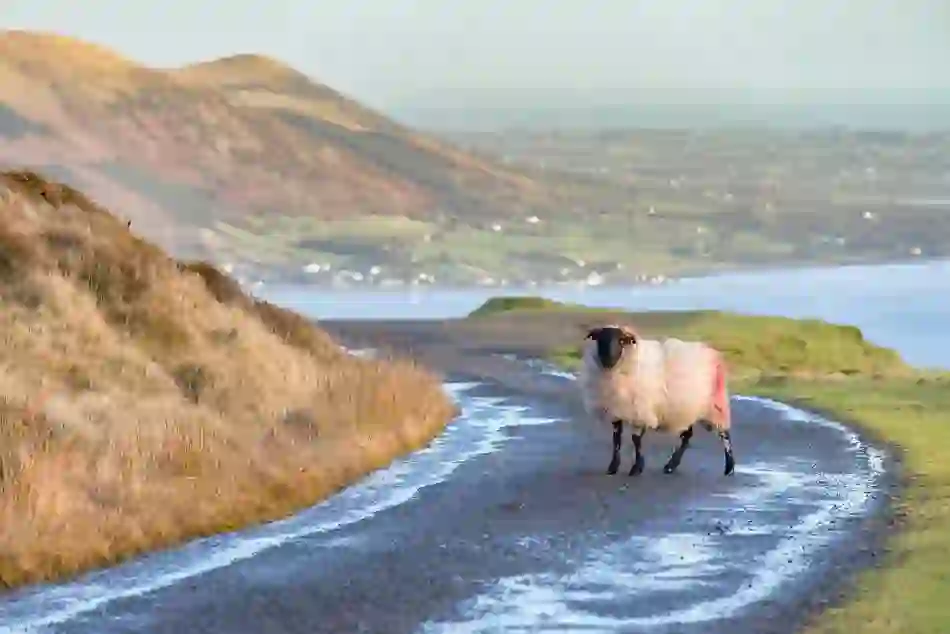
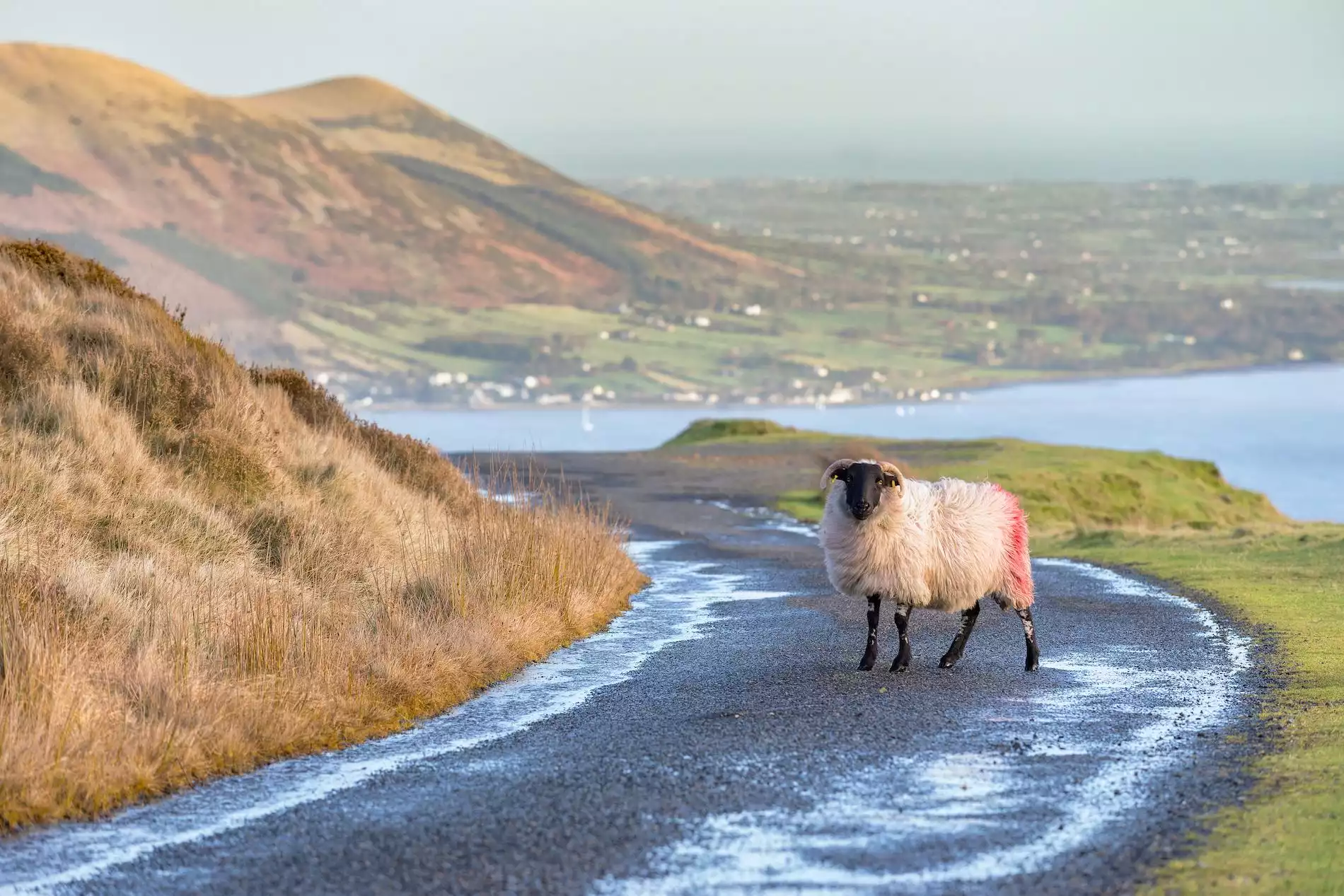
Ireland is compact, friendly and easy to navigate. So all you need to worry about is picking the right travelling companion.
Sustainable Ireland
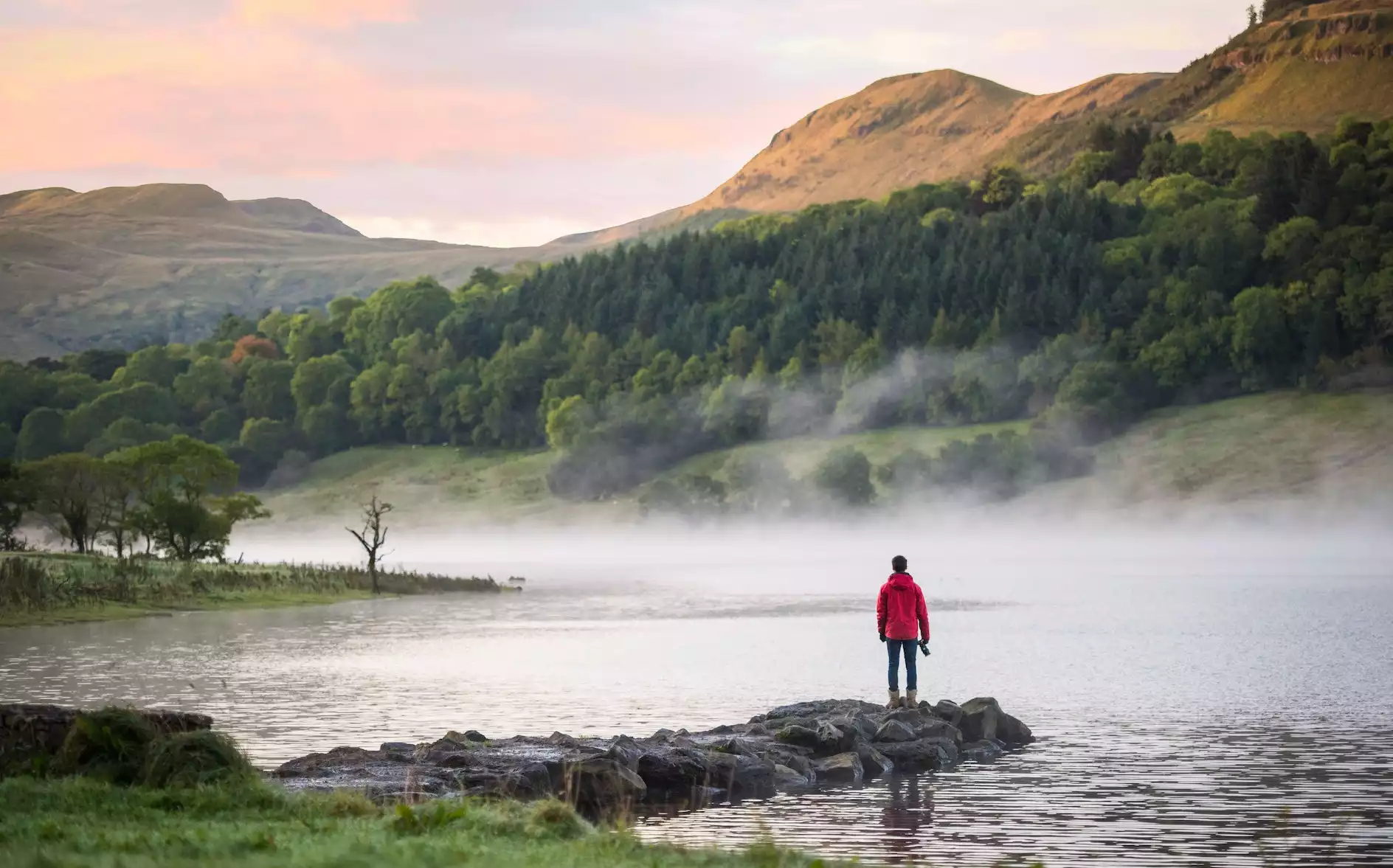
From accommodation to activities, find out how to explore our beautiful island in a sustainable way.